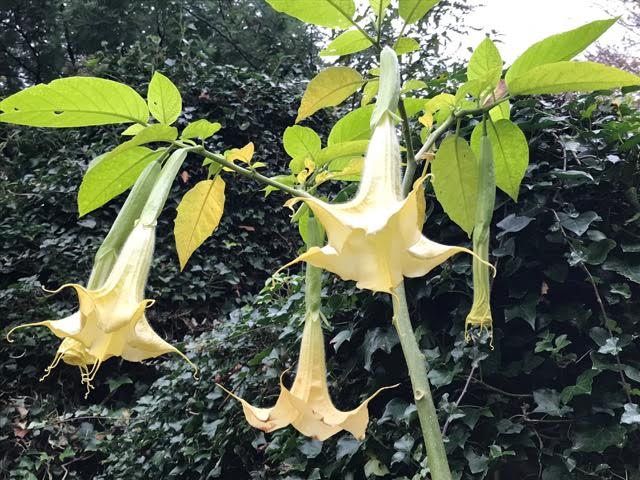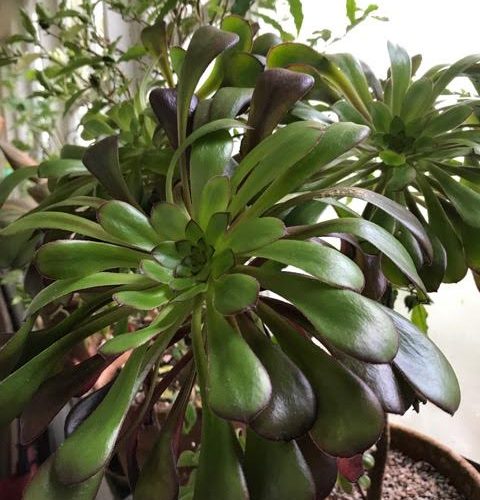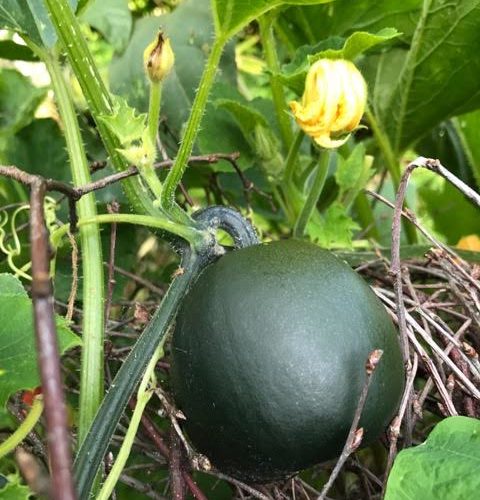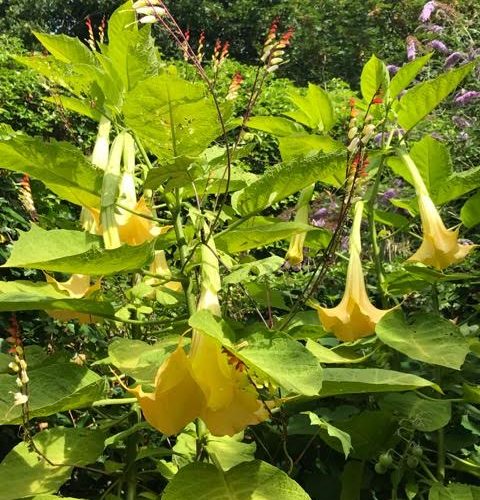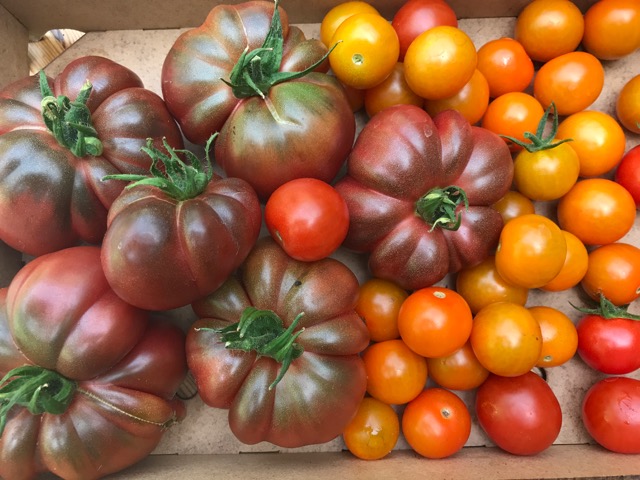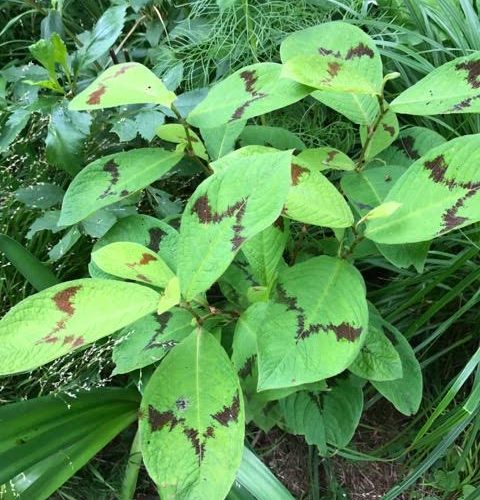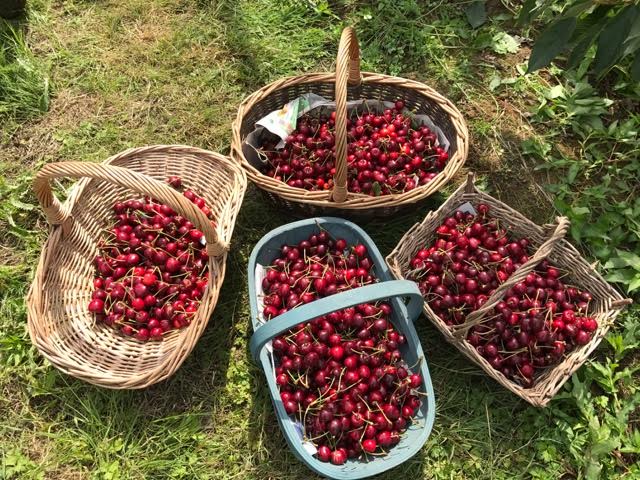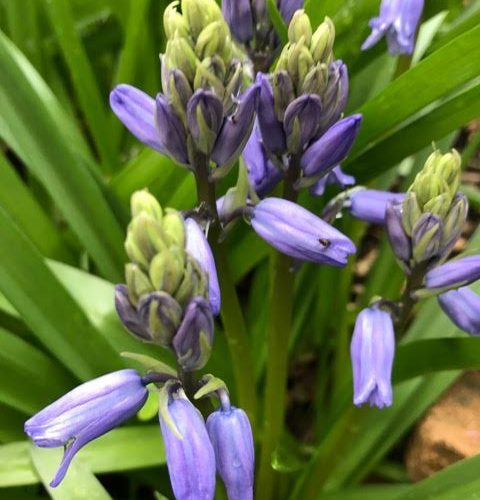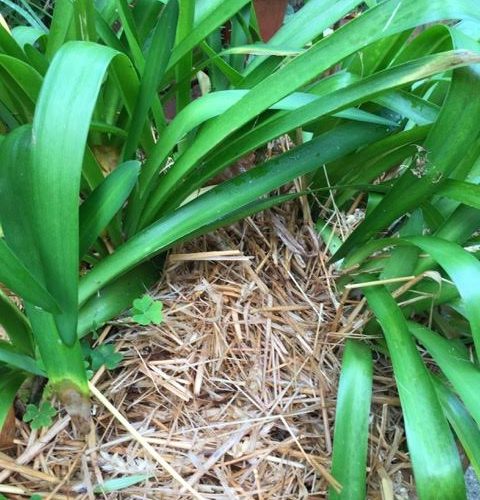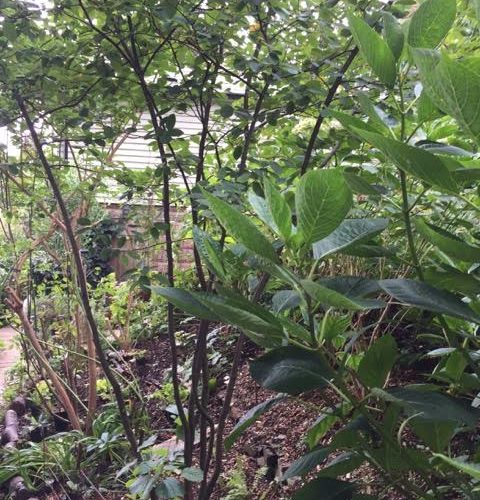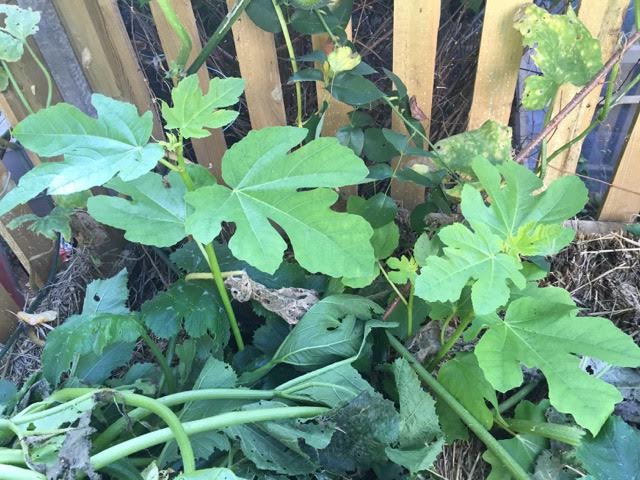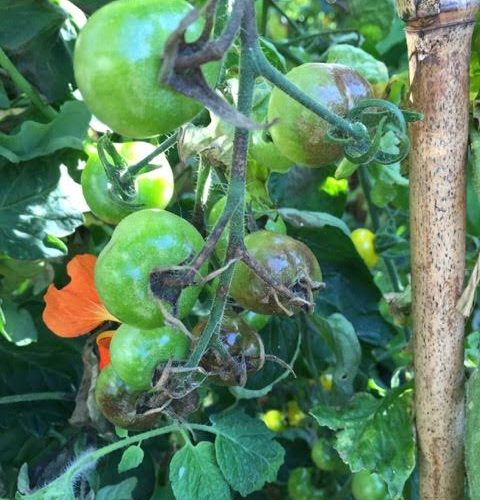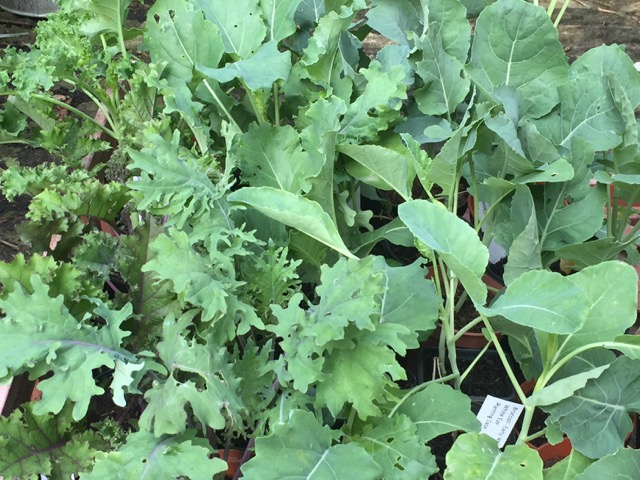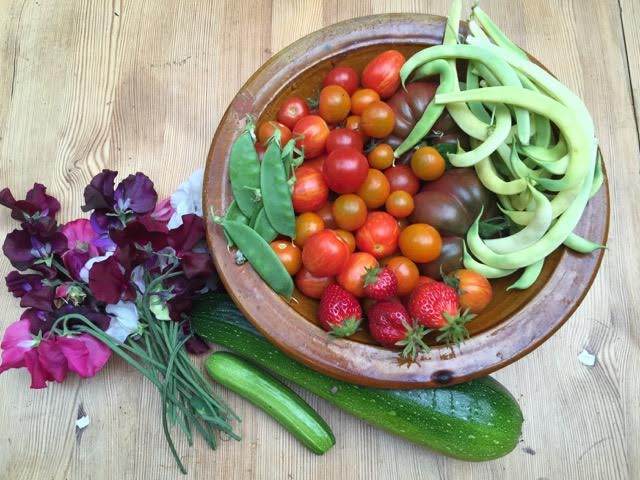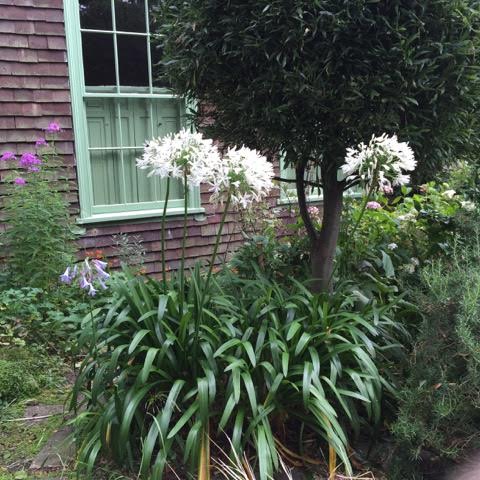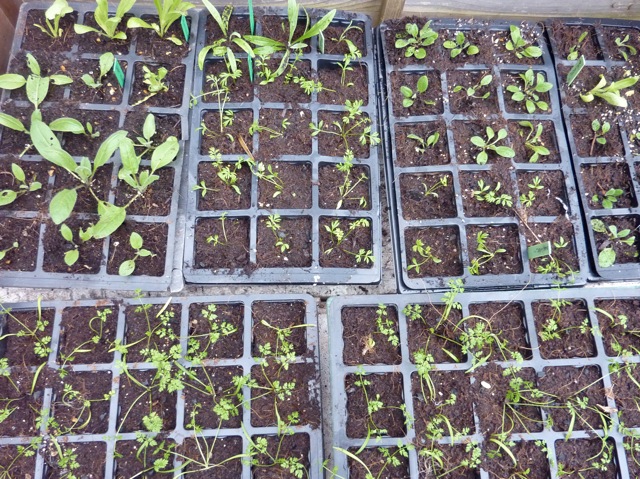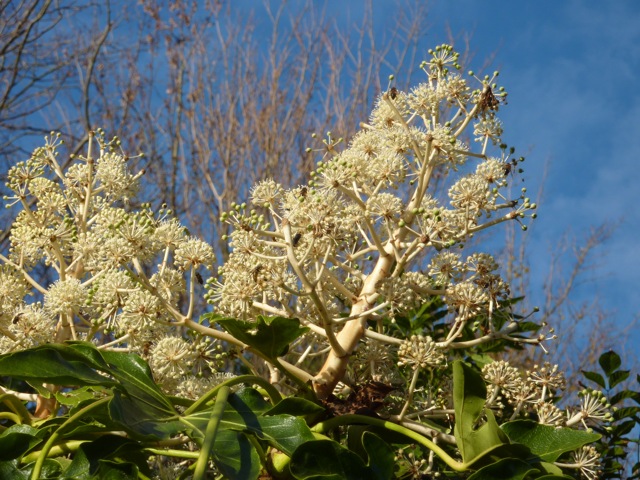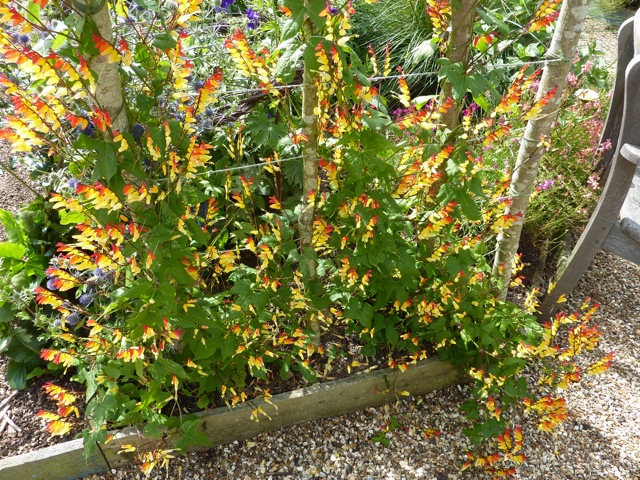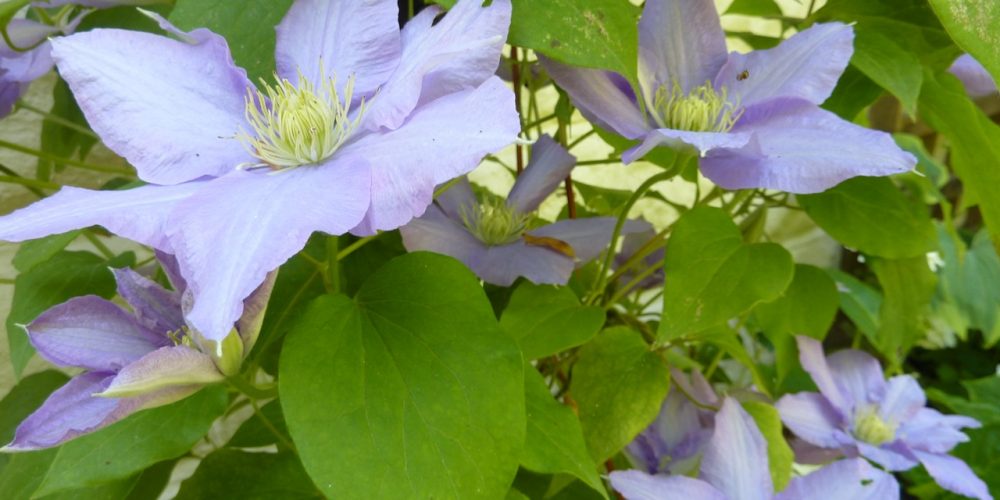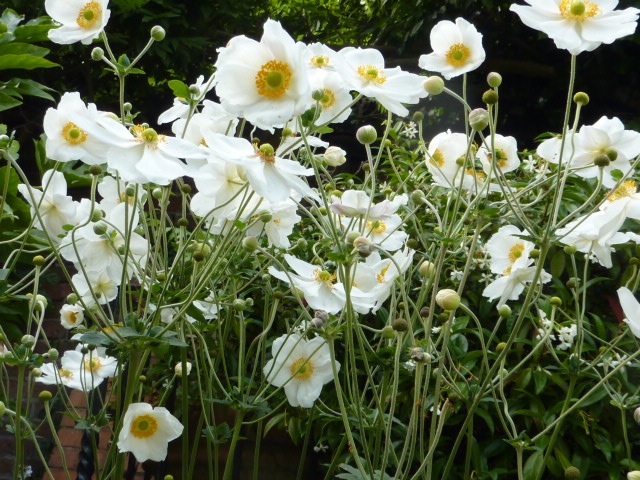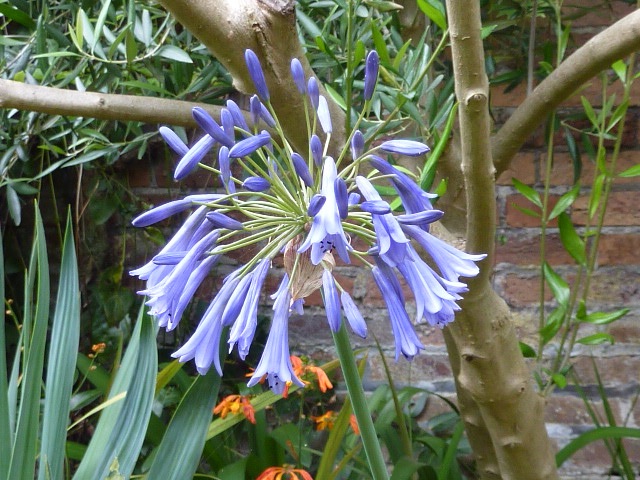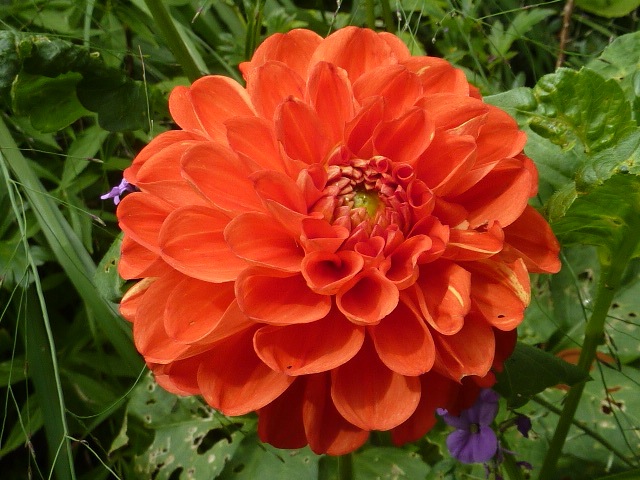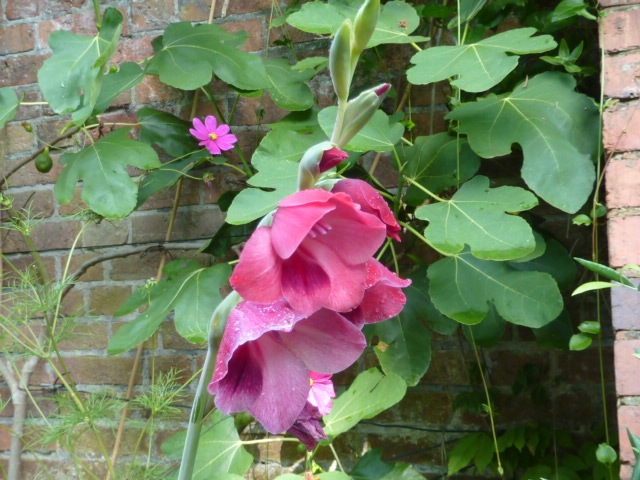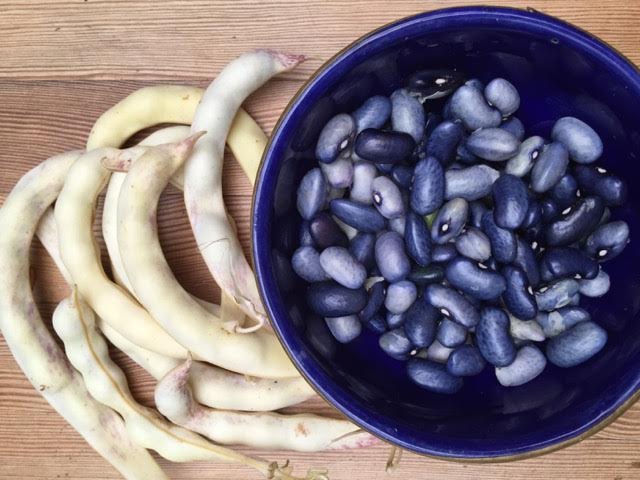
The curly yellow climbing beans called Anellino giallo (I’m not being pretentious, they are Italia...
23rd September 2016 • Read More »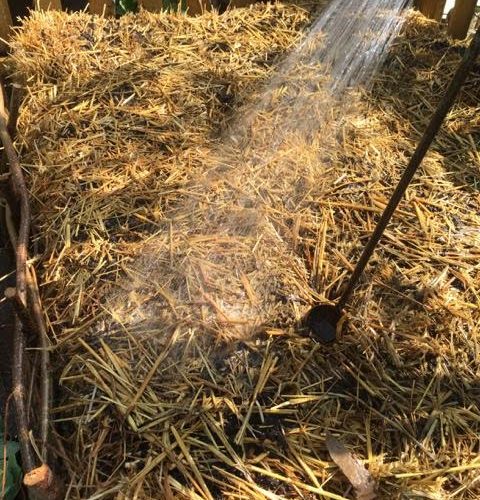
Rebuilding the vegetable garden happened to coincide with the arrival of a book about straw bale gar...
1st June 2016 • Read More »
There are clear signs that spring has arrived, even though we currently have a brief return to a...
21st March 2018 • Read More »Posting my ‘Top Nine of 2018’ in Instagram, it was interesting to see that the most ‘liked’ ...
8th January 2019 • Read More »Over the years I have come to realise that the key to overwintering half-hardy and tender plants is ...
7th December 2018 • Read More »Our magnificent tulip tree Liriodendron tulipifera has just had its five-yearly haircut. As much...
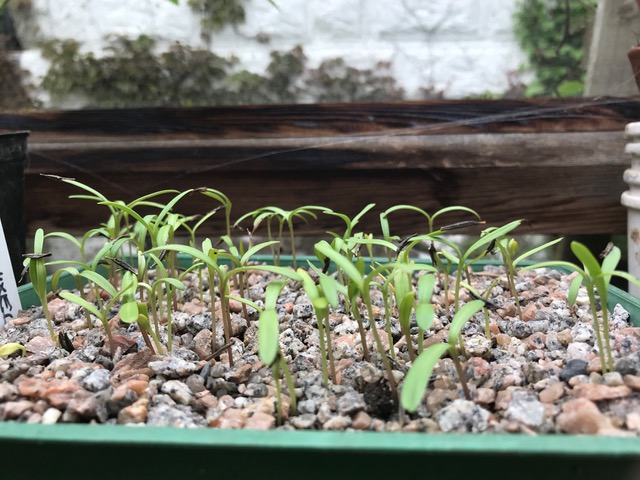
14th November 2018 • Read More »The next month is the time to get on with sowing seeds if you want to extend the growing season with...
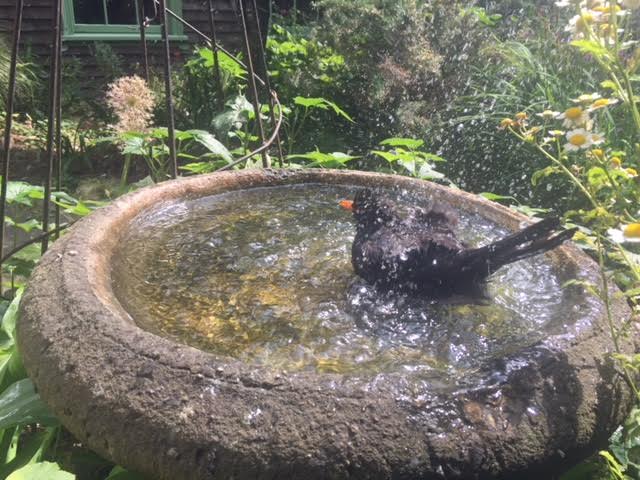
6th August 2018 • Read More »Every garden should have a birdbath – especially in this hot weather when birds, like everythi...
10th July 2018 • Read More »On a recent visit to the Walled Nursery at Hawkhurst, I noticed that quite a few of the newly sown s...
11th May 2018 • Read More »The weather of these islands will never cease to amaze me – two weeks ago it was miserable and gar...
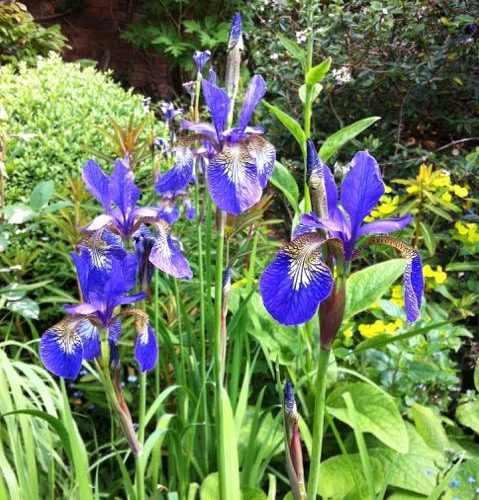
24th April 2018 • Read More »I love iris sibirica. It is an undemanding plant that will grow in most soils and has fine grass-l...
29th March 2018 • Read More »There are clear signs that spring has arrived, even though we currently have a brief return to a...
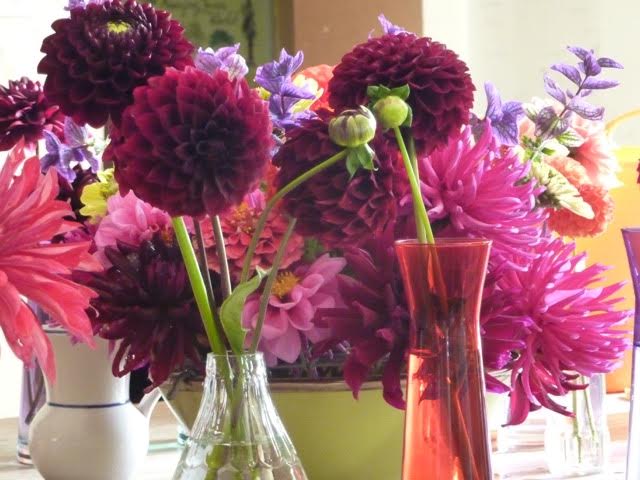
21st March 2018 • Read More »If, like me, you dig up your dahlias and store them overwinter – or have bought some new tubers �...
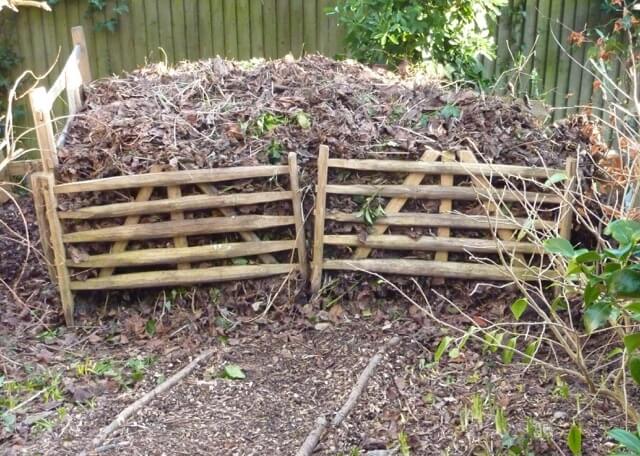
20th February 2018 • Read More »Now that I’m getting on with tidying the borders, it makes sense to apply a mulch at the same time...
7th February 2018 • Read More »Oh the garden is so soggy! We have avoided the worst of the cold and barely seen a snowflake, but ge...
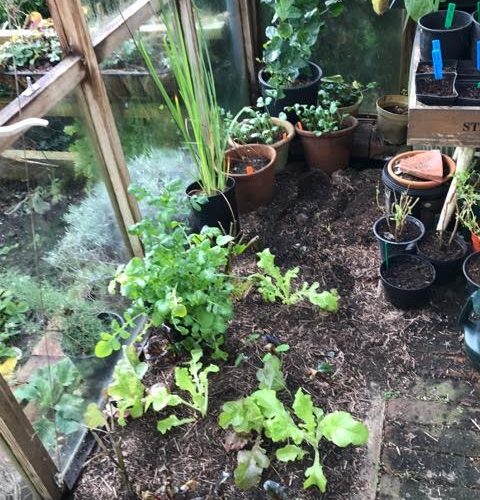
24th January 2018 • Read More »Over Christmas I became aware that rats were visiting, or living in the greenhouse. I don’t like r...
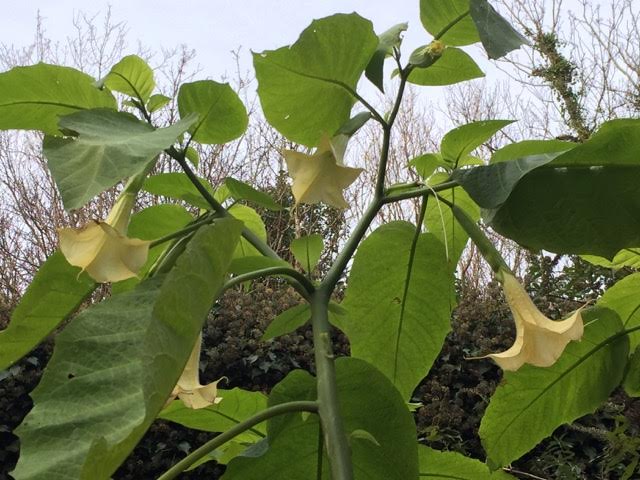
16th January 2018 • Read More »Despite all the surrounding plants in the courtyard looking deciding autumnal, the brugmansia cont...
21st November 2017 • Read More »After weeks of commenting on how many summer and autumn flowers have continued to flower their socks...
14th November 2017 • Read More »I’m a bit mystified as to why more people don’t grow gem squash. I do understand that if spa...
8th September 2017 • Read More »Right from the beginning of this season, my beautiful and nearly four metre high, five-year ol...
12th August 2017 • Read More »It’s that wonderful time of year when the tomatoes are ripening faster than we can eat them and ab...
7th August 2017 • Read More »Opening the garden to the public is always an interesting exercise. There’s all the preparation ...
1st August 2017 • Read More »If you have noticed a slacking in the pace of blogs, I can only apologise, but I am deep in Squirrel...
21st July 2017 • Read More »Lots of rain and the return of cold weather has meant that any spring planting has been put on hold,...
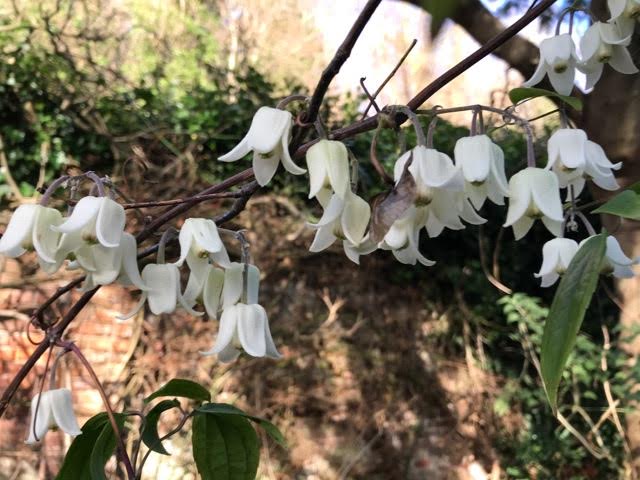
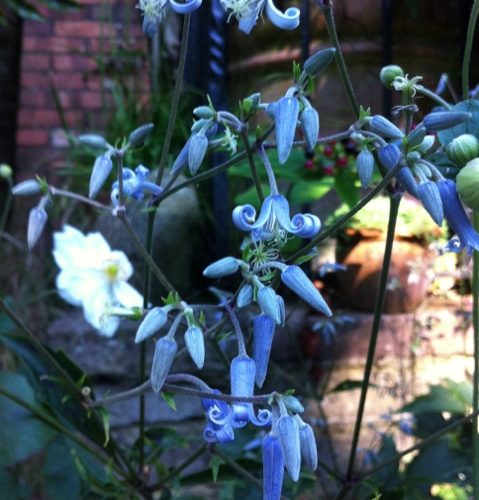
3rd April 2017 • Read More »It’s the perfect time to give the newly-emerging clematis some twiggy supports, allowing them to c...
30th March 2017 • Read More »I was talking to a fellow gardener and we were agreeing that this is a wonderful time in the garden ...
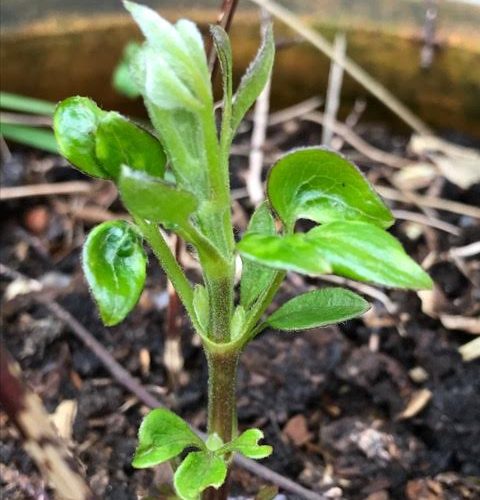
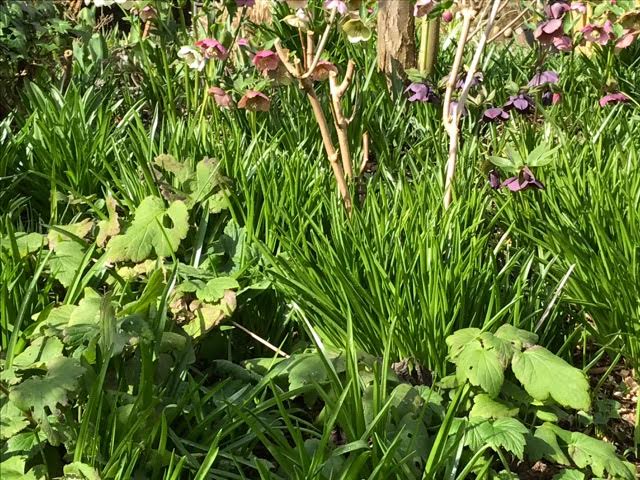
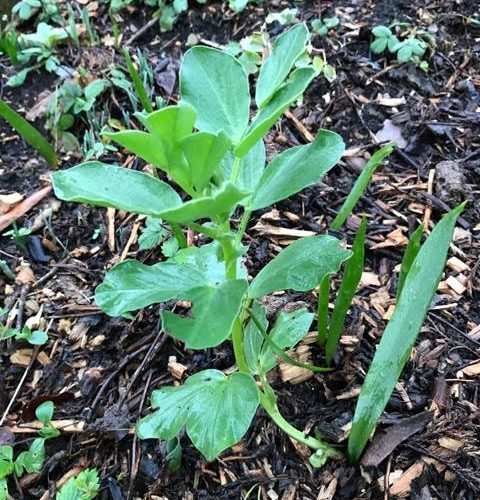
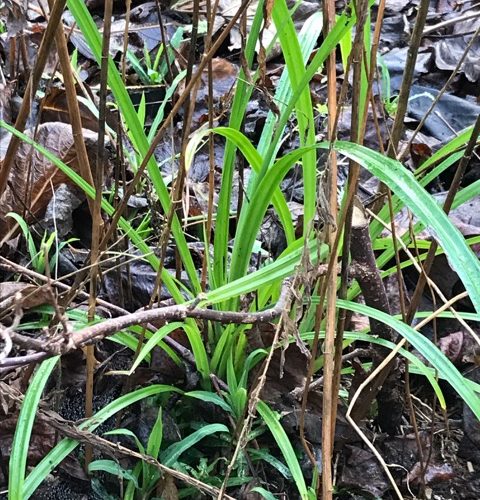
10th March 2017 • Read More »I’m a bit puzzled by the random broad bean plants that are popping up in the woodland, in the bord...
8th February 2017 • Read More »Travels over for the moment, it is time to get on with sorting out the garden. When the weather is...
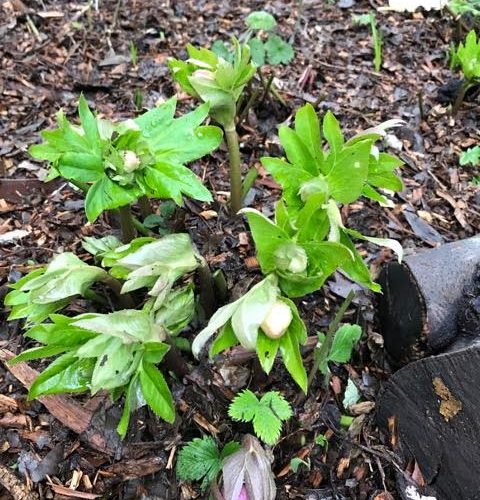
1st February 2017 • Read More »January is when I gradually work my way round the garden, cutting away the old hellebore leaves, car...
19th January 2017 • Read More »The yellow-flowered Brugmansia in the courtyard was still in flower over Christmas and it wasn’t u...
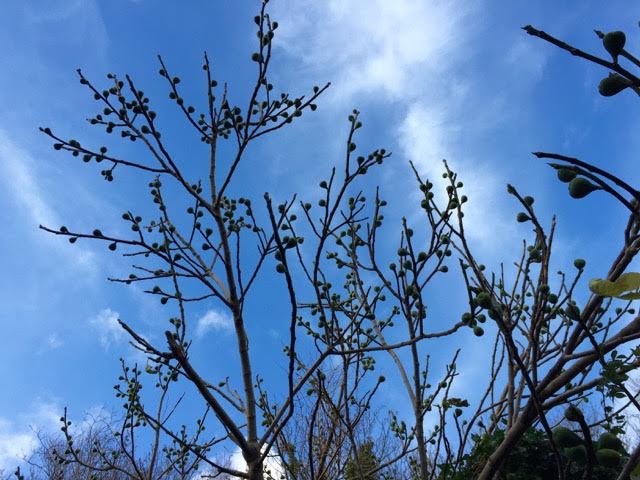
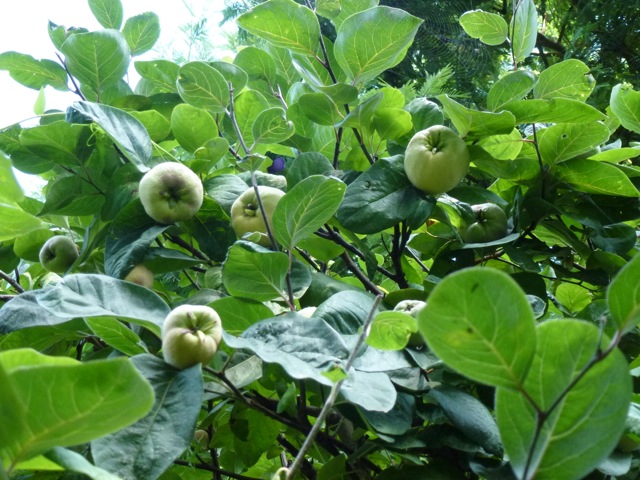
17th January 2017 • Read More »That’s a new collective noun invented by me to refer to our tree that is now laden with fruit that...
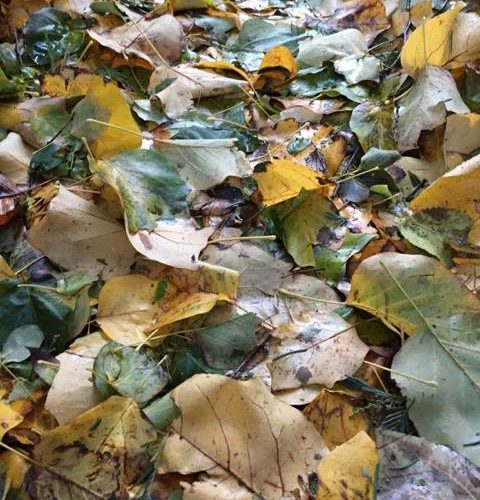
30th November 2016 • Read More »It has been a long and lovely autumn with some of the best autumn colour I have seen in many years.�...
25th November 2016 • Read More »I’m not sure I entirely believe predictions of a very cold winter, but just in case I’ve been gi...
22nd November 2016 • Read More »The part of the garden that I slightly grandiosely think of as the woodland area has become increasi...
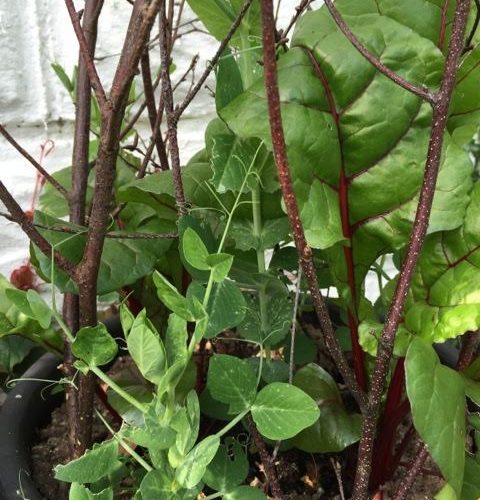
30th September 2016 • Read More »The curly yellow climbing beans called Anellino giallo (I’m not being pretentious, they are Italia...
23rd September 2016 • Read More »As the courgettes and squashes that I planted in the straw bale bed start to die back, I’ve made a...
15th September 2016 • Read More »Sadly, some of my blight tolerant outdoor tomatoes have now succumbed. I have removed the worst af...
9th September 2016 • Read More »I’ve been carefully nurturing a selection of brassicas since I took delivery of them as plug plant...
6th September 2016 • Read More »Things may have got off to a slow start, but suddenly the vegetable plot is delivering faster than w...
28th August 2016 • Read More »Now that I have more time for gardening, I’m reassessing some parts of the garden to see if I can ...
17th August 2016 • Read More »What with lack of space and other priorities I have pretty well given up sowing our own brassicas an...
8th August 2016 • Read More »As the trees spread their shade in the garden, much of it consists of textures and shades of green, ...
26th July 2016 • Read More »Given that we haven’t yet had a summer worth mentioning, it may seem unnecessarily pessimistic, bu...
18th July 2016 • Read More »Every time it has bucketed down recently the garden has started to smell decidedly unpleasant. Ini...
2nd July 2016 • Read More »Everything is growing skywards – the weather may bear little resemblance to summer, but the plants...
23rd June 2016 • Read More »Regular followers will know that I am a fan of Nicotiana mutabilis, but they are not the easiest pla...
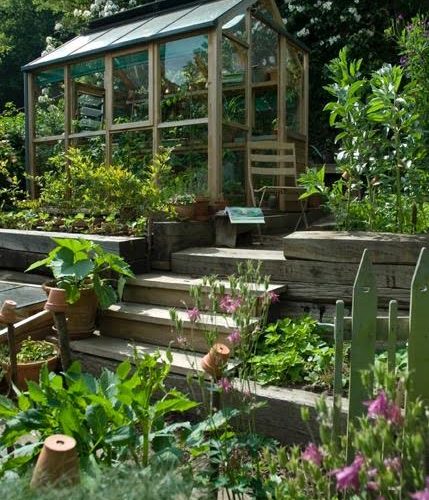
21st June 2016 • Read More »Rebuilding the vegetable garden happened to coincide with the arrival of a book about straw bale gar...
1st June 2016 • Read More »Nicotiana mutabilis is such a lovely plant that I go to considerable lengths to have it in the garde...
21st May 2016 • Read More »One of the things that I love about this time of year is that there is still time to pause and admir...
23rd April 2016 • Read More »I try to support plants with natural materials whenever possible, whether its runner beans, sweet ...
17th April 2016 • Read More »By far the greater number of bluebells in my garden are the Spanish interlopers and I suspect it is ...
2nd April 2016 • Read More »It’s always nice when planning pays off and colour combinations turn out as you’ve hoped – and...
30th March 2016 • Read More »I would love to have paperwhite narcissi indoors, but Andrew can’t bear the smell of them so I n...
6th March 2016 • Read More »I’ve recently bought some solar lights to illuminate the steps from our entrance to the front door...
27th February 2016 • Read More »In the past I haven’t grown enough broad beans, so this year I’m planning a bit of successiona...
3rd February 2016 • Read More »Hugelkultur is a permaculture technique that is usually used to create a raised bed on a flat piece ...
23rd January 2016 • Read More »My small potager has expanded piecemeal over the years in a fairly unplanned and inefficient way, ad...
19th January 2016 • Read More »Seems that finally - after this long, warm autumn - the cold weather is about to arrive. With this i...
22nd November 2015 • Read More »This year I planted my sweet peas in a large galvanised water tank and once they had finished flower...
16th November 2015 • Read More »At the Thompson & Morgan press day a couple of months ago we were all given packets of Terrain p...
27th September 2015 • Read More »I’ve been testing some blight resistant tomato varieties sent to me by www.organicplants.co.uk and...
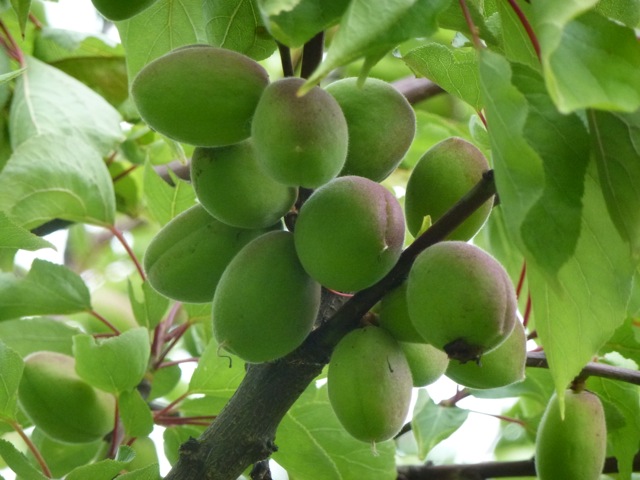
5th September 2015 • Read More »There have been times in the past several years since I planted the apricot tree that I have serious...
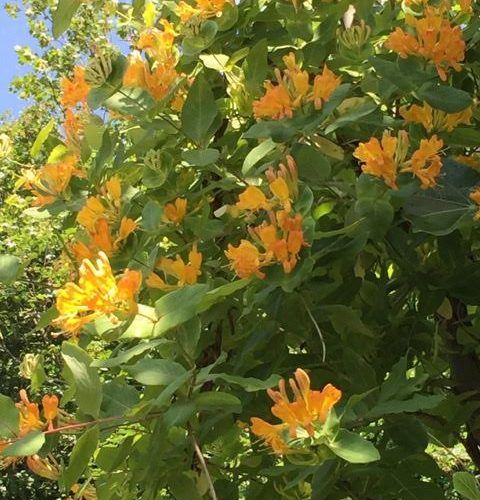
25th July 2015 • Read More »Lonicera tragophylla has fabulous deep yellow flowers and right now it is weaving all the way throug...
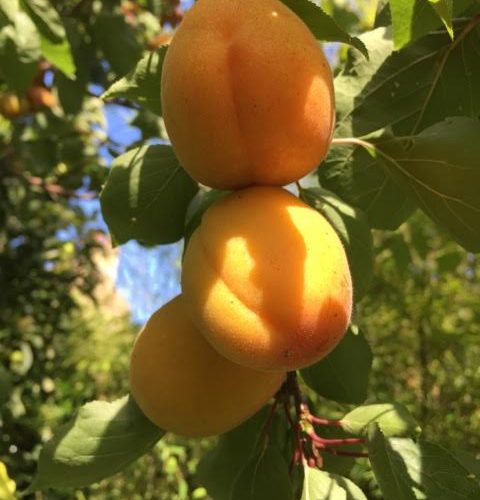
14th June 2015 • Read More »Right now the apricot tree is so laden with fruit that I fear that branches will break under their w...
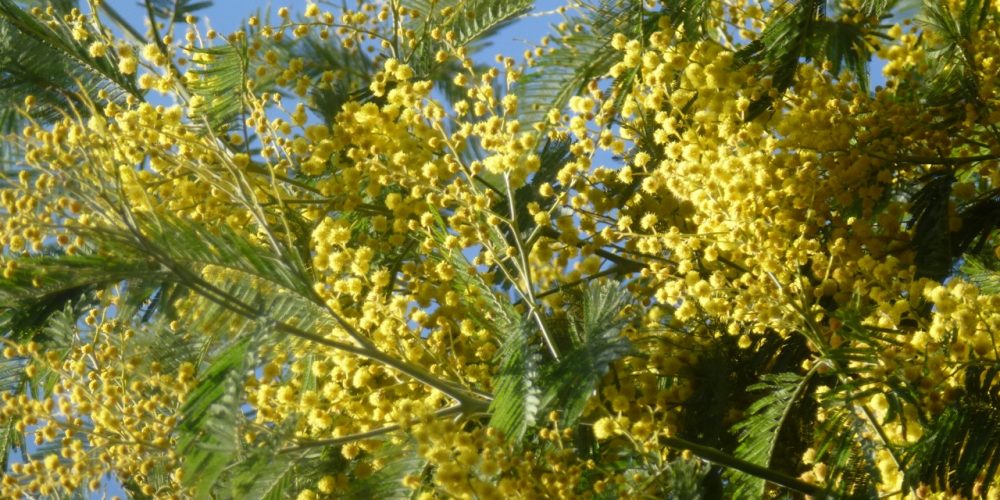
26th May 2015 • Read More »If ever there is a sight to lift my heart, it is seeing the mimosa tree in full bloom against a clo...
15th March 2015 • Read More »Warm sunshine, barely a breeze and the flowers are unfurling, birds singing and bees of every shape ...
20th February 2015 • Read More »While many of the plants in the garden are looking a bit dusty and past their best and are needing a...
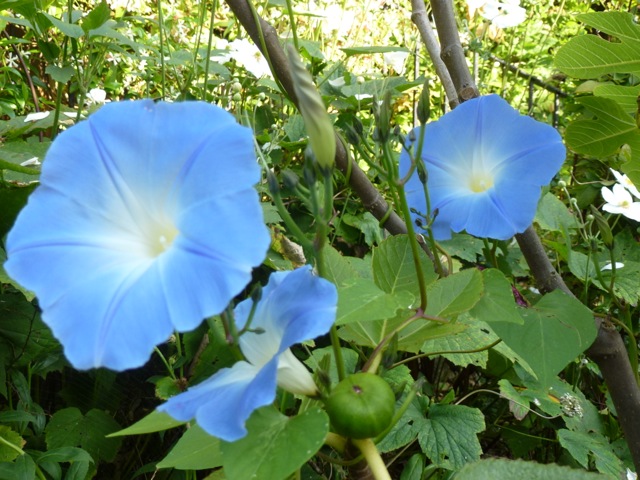
13th September 2014 • Read More »There can’t be a more aptly named flower than Ipomoea ‘Heavenly Blue’ – the morning glory. ...
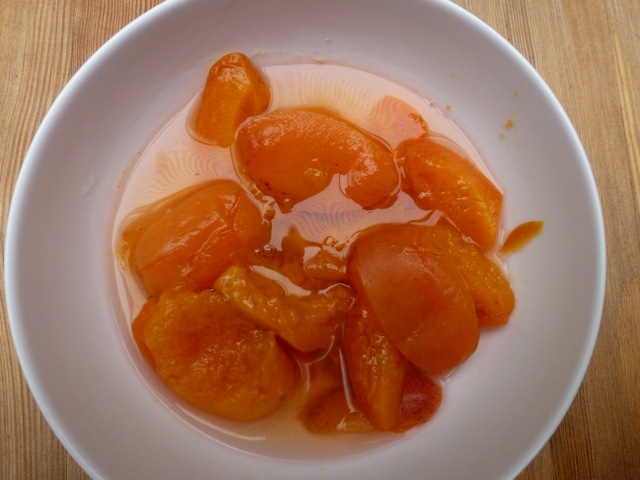
9th September 2014 • Read More »I wish I could say that our apricot tree provides us with a magnificent crop, but the truth of the...
30th July 2014 • Read More »The citrus trees are thriving in the hot, sunny weather. There’s loads of blossom and young fruit...
22nd July 2014 • Read More »I refer to the ‘majus’ bit – the ammi are currently averaging two metres tall and have long ou...
21st June 2014 • Read More »If ever there were plants that have their own ideas about where they will grow it is members of the ...
17th June 2014 • Read More »I’ve been getting press releases from the discount stores promoting their ranges of garden product...
3rd May 2014 • Read More »The combination of coppiced hazel and hornbeam has made a wonderful arbour for the sweet peas whic...
27th April 2014 • Read More »Smyrmium perfoliatum is not the most attractive of plant names, but I’m delighted that I’ve fin...
23rd April 2014 • Read More »The tulips are in their prime right now and this gallery is a reminder that all the effort involved ...
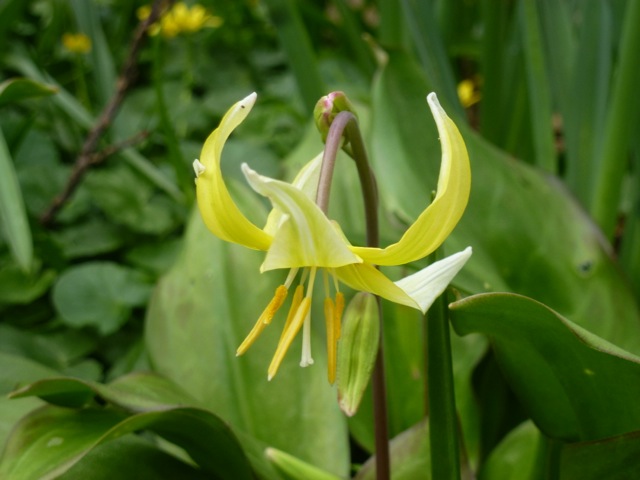
16th April 2014 • Read More »Erythronium Bluebell - I suspect a hybrid between the wild bluebell and its Spanish cousin, bot...
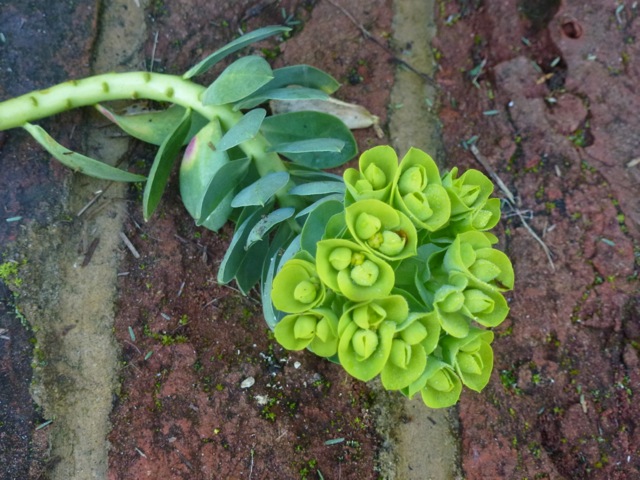
9th April 2014 • Read More »This is the time of year when euphorbias really come into their own as a perfect foil for spring b...
7th April 2014 • Read More »I’ve had a spring delivery of plug plants from Plant Me Now and will be planting up some new conta...
3rd April 2014 • Read More »One of my tasks (pleasures) this week will be to go round the garden and give all the summer and aut...
10th March 2014 • Read More »Everywhere I look in the garden the ground is thick with hellebore seedlings – I can scarcely cred...
8th March 2014 • Read More »It’s not just me who is enjoying the newly arrived and glorious spring weather – as I type this ...
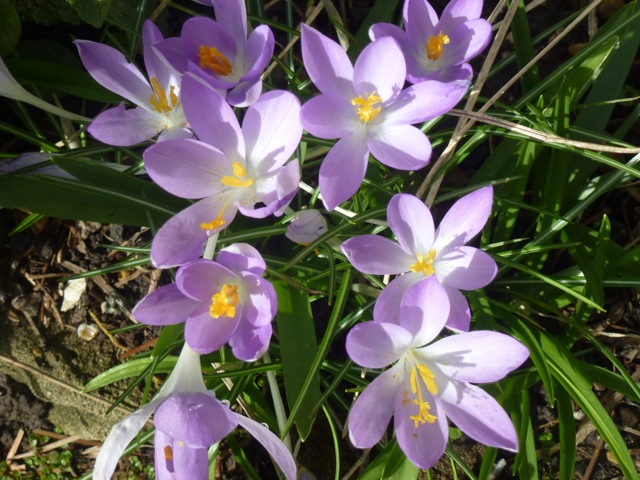
5th March 2014 • Read More »Regular readers of the blog will know that I post an annual peon of praise to this delightful crocus...
21st February 2014 • Read More »I have a nasty feeling than many of the tulips that I planted last autumn are going to succumb to va...
19th February 2014 • Read More »My poor mimosa is not enjoying this wet and windy weather. In previous years it has bloomed happily ...
6th February 2014 • Read More »Sure enough, no sooner have I spotted ill-advised young shoots on my lemon verbena than the forecast...
3rd February 2014 • Read More »I've been getting into the garden whenever possible to tidy the borders. The most unexpected discove...
27th January 2014 • Read More »A dry sunny day gave me the opportunity to do some tidying in the garden. In amongst the expected d...
23rd January 2014 • Read More »My tame tree surgeon delivered a heap of fresh oak chippings a couple of days ago. His tipper truck ...
15th January 2014 • Read More »I have some vintage tiny tom terracotta pots that I planted with individual Iris reticulata in the a...
11th January 2014 • Read More »Wandering round the rain-sodden, wind-blasted garden, it’s a delight to see how much is happening....
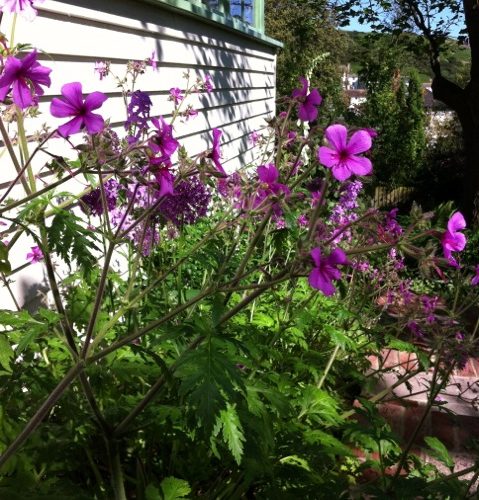
7th January 2014 • Read More »I’m revelling right now in the wonders of Geranium Palmatum. It loves the conditions in our she...
22nd December 2013 • Read More »In the sixteen years I’ve lived in this house I’ve had some minor tree surgery done on the tuli...
5th December 2013 • Read More »The quince tree was supposed to be removed when the new landscaping was done in the garden, but when...
1st October 2013 • Read More »One of my buys from Derry Watkins Special Plants Nursery near Bath was Salvia ‘Amistad’ – I lo...
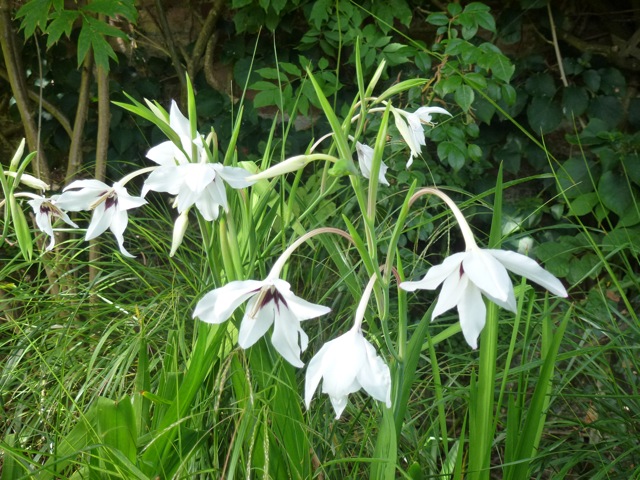
29th September 2013 • Read More »Gladiolus murielae is a plant that keeps changing its name – it used to be Acidanthera, then Gladi...
27th September 2013 • Read More »There are some good splashes of colour amongst the fading or slug-ravaged plants in the garden. I ga...
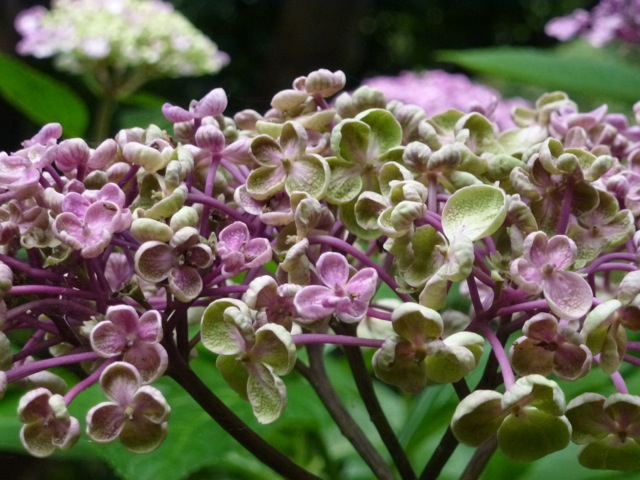
25th September 2013 • Read More »If there is a finer hydrangea than Ayesha, I have yet to see it. It’s lilac- blossom-type flowers ...
19th September 2013 • Read More »When a few squash plants germinated in one of my compost heaps I decided to let them be. There was a...
18th September 2013 • Read More »The improved soil in one of the new raised beds near the house must have been just what this pale bl...
15th September 2013 • Read More »Thirteen years ago I brought a sambac jasmine (also known as Arabian jasmine) back from Tuscany. I w...
13th September 2013 • Read More »Although they had looked wonderful earlier in the year, the plants in the pots either side of the fr...
6th September 2013 • Read More »The mulberry has been dropping leaves, some have yellowed and the ends of twigs have withered, while...
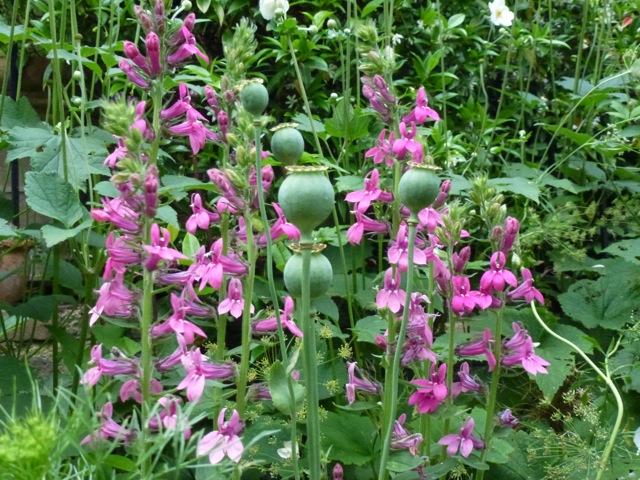
22nd August 2013 • Read More »One of my favourite plants in the garden at this time of year is Lobelia speciosa x ‘Pink Elephant...
20th August 2013 • Read More »In the middle of May my new border was still a building site, so the minute the cement mixer was rem...
18th August 2013 • Read More »I love the blackbirds in our garden, but right now they are testing my patience. They have taken to ...
10th August 2013 • Read More »It's August and I’ve photographed some things that are looking lovely. ...
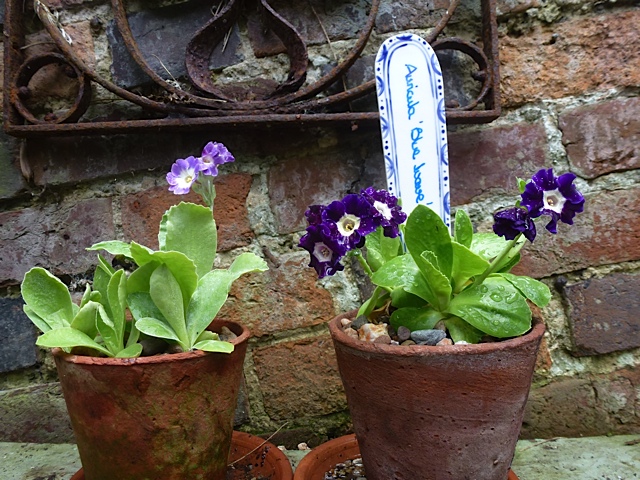
2nd August 2013 • Read More »I’ve just added two blue auriculas to my small collection of these enchanting flowers. I love auri...
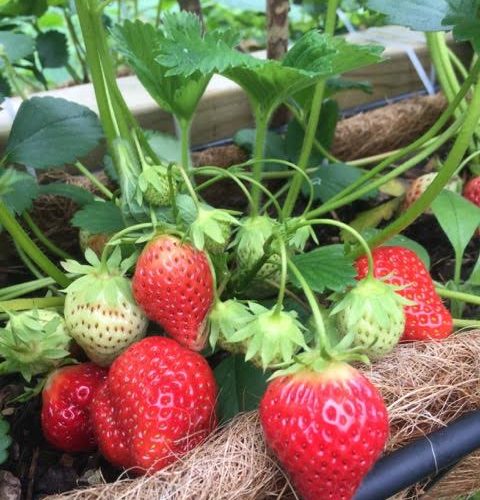
11th June 2013 • Read More »In an attempt to keep slugs and snails at bay I have given up planting strawberries in the ground. ...
30th May 2013 • Read More »A couple of signs that summer might finally be heading this way. The mulberry tree is budding up –...
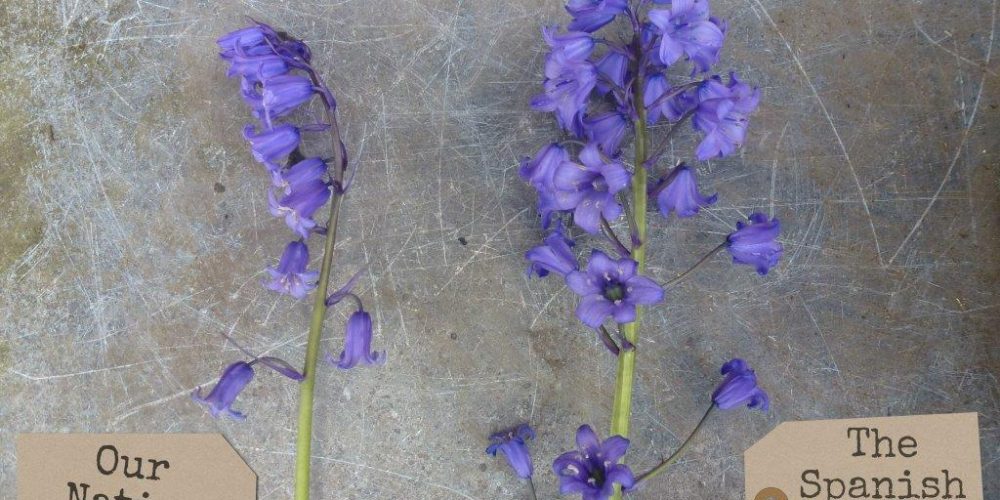
20th May 2013 • Read More »As someone with a profusion of both types of bluebell in my garden I’m very familiar with the diff...
19th May 2013 • Read More »After all the struggles to get things growing earlier in the year, yet again nature has proved that ...
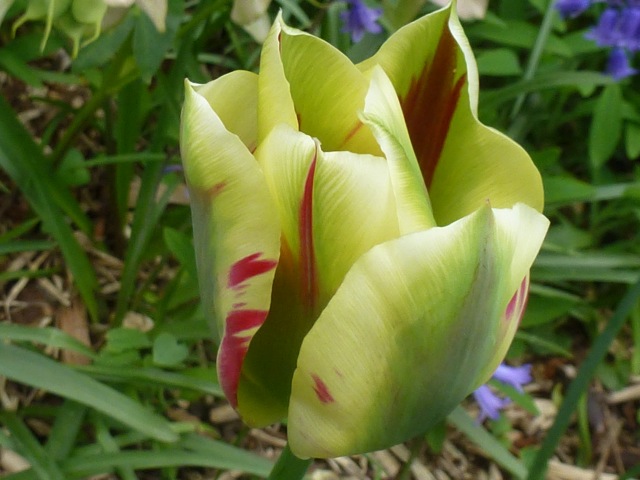
16th May 2013 • Read More »One of the new tulips I planted this year is (supposedly) The Lizard. It’s a gorgeous Rembrandt tu...
15th May 2013 • Read More »I seem to remember that last year spring all happened very fast and the same thing seems to be happ...
11th May 2013 • Read More »In just over a week, superhero landscapers Ray & Alan have turned an area -where ill-defined...
17th April 2013 • Read More »I spent a couple of happy hours putting up my sweet pea and bean supports. They are either side of t...
13th April 2013 • Read More »I’ve had the crown of my potted peach tree covered over for the winter to prevent leaf curl and ...
10th April 2013 • Read More »Now is the perfect time to be planting asparagus and with a number of online retailers offering fas...
3rd April 2013 • Read More »Not unreasonably, thinking that spring might have arrived by now, I sowed some dwarf French beans in...
19th March 2013 • Read More »The bags of freshly chipped bark that are waiting to be spread on the paths in the garden have provi...
10th March 2013 • Read More »I love crocus tommasinianus, they are the true heralds of spring – in my garden anyway. In the w...
8th March 2013 • Read More »The last couple of days of warm weather has everything bursting into bloom – yesterday I was adm...
9th February 2013 • Read More »Three of my daphnes are flowering, or on the point of doing so – D.‘Jacqueline Postil’ has be...
3rd February 2013 • Read More »A short walk around the garden on the shortest day has revealed that some plants are still hanging o...
22nd December 2012 • Read More »I know it's been a bad year for everyone who is growing things, but I'm not sure that it helps for f...
17th October 2012 • Read More »In September I went to Hadlow College and saw Japanese Horseradish (Wasabi) plants in their trial gr...
16th October 2012 • Read More »It’s not been a great year for pumpkins and squashes – anything close to ground level was munche...
6th October 2012 • Read More »Over many years I’ve done much work with garden photographer Michelle Garrett and we have become g...
5th October 2012 • Read More »There are few advantages to being stuck indoors with a damaged leg, but I do have a great view of t...
26th September 2012 • Read More »In my rambly scrambly hillside garden there are some very pleasing planting combinations, bu...
13th September 2012 • Read More »It's taken months of waiting and nightly slug patrols, but finally I've got my reward - from now u...
4th September 2012 • Read More »I've managed to be uncharacteristically controlled with the new Malwina strawberry plants that arri...
1st September 2012 • Read More »Some of the most successful plant combinations in the garden at this time of year are in shades of...
30th August 2012 • Read More »I was doing a quick assessment of how the fruit has done in the garden this year. It has been dr...
28th August 2012 • Read More »I’ve taken a belt and braces approach to the brassica bed this year. They’ve been planted in...
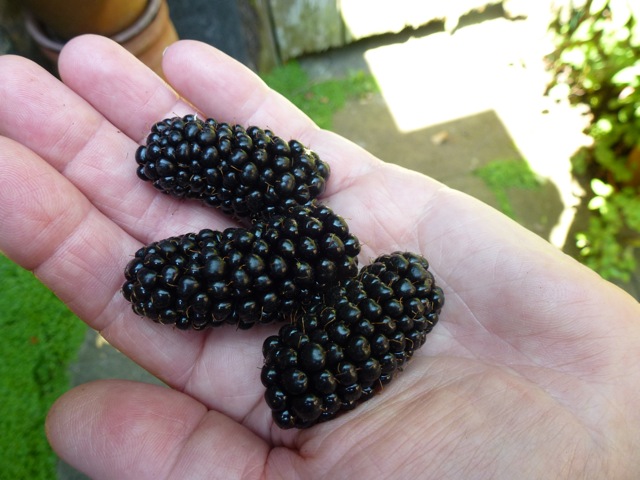
18th August 2012 • Read More »The cultivated blackberries never have quite the intensity of flavour of the wild ones, but they ar...
14th August 2012 • Read More »The first batch of cut-and-come-again salads were getting pretty leggy and when the hot weather arri...
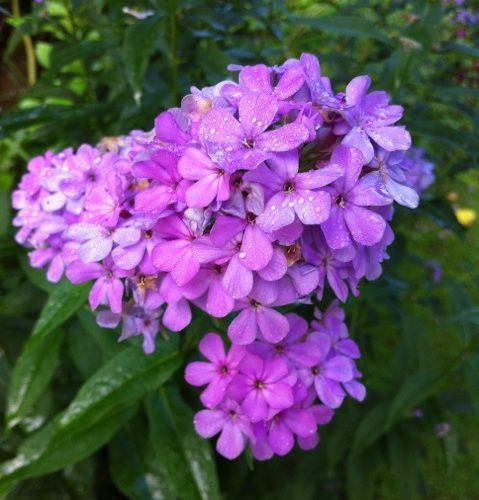
12th August 2012 • Read More »Phlox are a favourite plant of mine, especially the blue and whites - and I love the musky scent too...
10th August 2012 • Read More »I’ve resorted to digging up some of the dahlias that have been seriously chomped on by the slugs...
5th August 2012 • Read More »Thanks to nightly slug and snail patrols - and a bit of summer - the runner beans are at last rompin...
3rd August 2012 • Read More »I’d more or less given up on the sweetpeas. They’ve been so battered by the rain that I thoug...
3rd August 2012 • Read More »There’s always a lull in the borders at this time of year when the roses go over and the late summ...
24th July 2012 • Read More »I’ve been watching this opium poppy growing at the front of the border for several weeks, debating...
24th June 2012 • Read More »I sowed the Del Monica broad beans (from Thompson & Morgan) in February, planted them out in Ma...
22nd June 2012 • Read More »Of all the weeds in my garden this oxalis is my favourite - unlike its yellow cousin it isn't trying...
20th June 2012 • Read More »Last autumn I emptied what had been a rather unsatisfactory border to allow building work on the hou...
19th June 2012 • Read More »Several years ago I was sent this clematis whose name was long forgotten until one of our readers (...
17th June 2012 • Read More »The cultivated blackberry is planted on the shady side of the greenhouse where it doesn't get a gr...
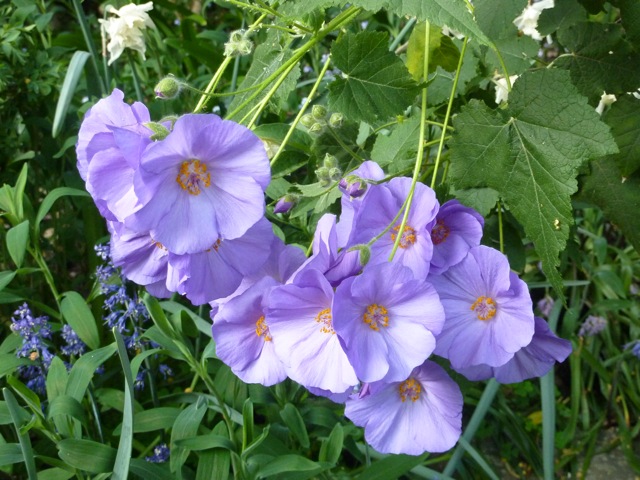
14th June 2012 • Read More »The abutilon x suntense is a marvel at this time of year, especially in the evening when the colour ...
13th June 2012 • Read More »I'm trying to reduce the number of planted pots to save on watering and work. With this in mind I'v...
11th June 2012 • Read More »Since reviewing the River Cottage Herb Handbook (highly recommended) I've been making much more of ...
9th June 2012 • Read More »I was sent some grafted cucumbers by Suttons Seeds and they are looking in fine fettle with tiny cu...
8th June 2012 • Read More »The cool weather during most of May might not have been welcomed by us, but the lettuces clearly lo...
7th June 2012 • Read More »My late mother and stepfather gave me the bronze sculpture of the ballet dancer looking at her foot...
5th June 2012 • Read More »After three years, the woven silver birch edging to the path through my woodland garden had all but...
9th May 2012 • Read More »Oh the joy of tulips, especially in grey weather. The one advantage of the rather gloomy April weath...
1st May 2012 • Read More »I went on my annual trip on Monday to collect peasticks from the cobnut farm that keeps their prun...
15th April 2012 • Read More »It is one of those springs where everything is in flower at once. Because of the dry weather (we h...
12th April 2012 • Read More »Walked out the front door and had a Mediterranean moment - the scent of mimosa in the warm spring s...
7th April 2012 • Read More »The tomatoes I sowed on Valentine's day were moved from under the Growlight and potted on over the ...
5th April 2012 • Read More »My ten year old myrtle tree succumbed to the heavy snow in the winter with two of its three branche...
3rd April 2012 • Read More »Individually the flowers of Jury's Yellow camellia look just like something created out of buttercr...
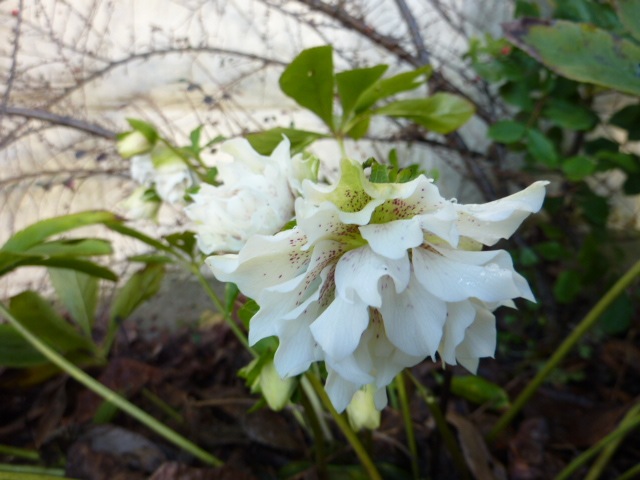
1st April 2012 • Read More »This white hellebore has recovered so well from being dug up and transplanted in the autumn that i...
30th March 2012 • Read More »I'm having my own little festival going round the front door with pots of beetroot red 'Woodstock...
28th March 2012 • Read More »My autumn-sown sweetpeas always do really well, but inevitably they start to wind down just at the ...
16th March 2012 • Read More »I’m slightly concerned that I’m in danger of developing galloping galanthophilia. I’ve previo...
13th March 2012 • Read More »I recently showed a pot of Iris reticulata in the greenhouse that defied my advice that they need ...
25th February 2012 • Read More »Crocus tommasinianus does it to me every year, one week there’s just a tuft or two of leaves, the...
22nd February 2012 • Read More »The autumn sown sweet pea plants are looking very good in the coldframe and they seem perfectly con...
21st February 2012 • Read More »Not so long ago my leaf heap was a neat and orderly affair, but as I’ve tidied beds and paths it h...
20th February 2012 • Read More »The November planted garlic and shallots are looking good although I am worried about the lack of c...
17th February 2012 • Read More »Ever since Germaine Greer said that hanging baskets reminded her of heads lining the road to the Fo...
16th February 2012 • Read More »Until recently, poor Jacqueline was being slowly throttled by a far-too-enthusiastic Stauntonia, a ...
14th February 2012 • Read More »Today's view including Titus, the Snow Leopard....
13th February 2012 • Read More »The deep frames surrounding the window panes either side of the front door are perfect for displayi...
8th February 2012 • Read More »Unlike Snowdrop Valley, I can’t claim to have an entire valley carpeted with blooms, but I do ha...
7th February 2012 • Read More »I find that the best way to succeed with hardy annuals is to sow them in the autumn – that way the...
25th January 2012 • Read More »Last autumn I dug up a clump of vulnerable cyclamen seedlings and potted them into individual cell...
24th January 2012 • Read More »The first hellebores are in bloom and are particularly welcome as I had to dig them all up in the ...
14th January 2012 • Read More »There’s always a time around Christmas when I wonder what possessed me to buy so many bulbs - an...
11th January 2012 • Read More »Some years I succumbed to the charms of the winter honeysuckle with its delicate and fragrant wint...
30th December 2011 • Read More »Last year I accidentally left 2 large pots of carrots unharvested in the autumn and found they rem...
29th December 2011 • Read More »There’s nothing like a drought alert to open the skies. We’ve had the heaviest rain in many mont...
22nd December 2011 • Read More »Just because I can summon up a few nice photos for the blog doesn’t mean that my garden is in a s...
20th December 2011 • Read More »It’s always a bit of a dilemma with Paperwhites – I love bringing them in the house but Andrew ...
18th December 2011 • Read More »I know that it is Pennisetum that is commonly known as Fountain Grass but at this time of year the ...
16th December 2011 • Read More »A mid-summer photo that has crept into the wrong blog post? No, I took this picture this morning. T...
14th December 2011 • Read More »I’ve learned to love the large fatsia that grows against the garden wall. When I moved here it...
8th December 2011 • Read More »No sooner had I planted the pots of tulips than along came the squirrels to dig them up – fortunat...
6th December 2011 • Read More »I don’t know whether it’s because it’s in partial shade, but the Pennisetum Hamelyn doesn’t...
4th December 2011 • Read More »Outdoor Freesias are another Sarah Raven success story. They have flowered all summer and are st...
29th November 2011 • Read More »One of the very enjoyable results of this frost-free autumn is that the nasturtiums are still in p...
25th November 2011 • Read More »Among the many plants benefiting from this extended autumn is the lemon verbena bush. I’ve bee...
23rd November 2011 • Read More »The raspberries aren’t that unusual for early November, although they are in particularly fine c...
15th November 2011 • Read More »Scaffolding presents pruning opportunities that working from ground level or on a ladder does not....
8th October 2011 • Read More »With its red and yellow flowers like a row of brightly coloured pennants, you can see exactly why ...
25th September 2011 • Read More »Having heard recently that modern strains of freesias do not have the fragrance they used to (it�...
12th September 2011 • Read More »It’s that lovely time of year when I go into the garden each evening and pick a positively Medit...
6th September 2011 • Read More »In an effort to stop the courgettes taking over the entire raised bed I planted them in a polycarb...
27th July 2011 • Read More »Never was a flower more aptly name than Ipoemea ‘Heavenly Blue’. There is something about th...
23rd July 2011 • Read More »Now that most of the roses are going over there is far more green than colour in the gar...
28th June 2011 • Read More »Our largest olive tree is absolutely smothered in flower buds this year – now all we need is som...
26th June 2011 • Read More »Our usually sheltered garden took a bit of a bashing the other night with a loud crash heralding...
22nd June 2011 • Read More »Other than a brief trip to Amsterdam next week for work and to visit the Canal Gardens of Amsterdam,...
20th June 2011 • Read More »Amsonia is a modest and undemanding beauty in the border This patio clematis from Raymond Evison ...
6th June 2011 • Read More »...
5th June 2011 • Read More »Abutilon x suntense may be a bit of a straggly shrub but it flowers magnificently in the dry shade...
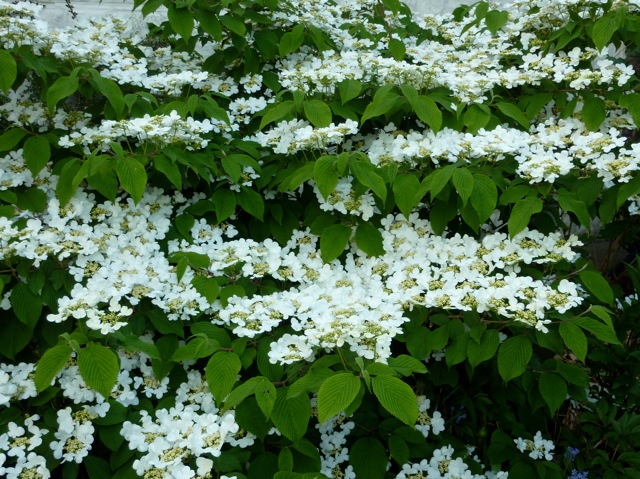
24th May 2011 • Read More »I still love the common Viburnum opulus - one of the few plants I inherited in this garden - it's ...
13th May 2011 • Read More »The pheasant eye narcissus have really multiplied this year and I love the way these late-flowerer...
11th May 2011 • Read More »One of the Purple Dream tulips (above middle) has 'broken' with dramatic white markings - this i...
11th May 2011 • Read More »Brown Sugar is a new favourite, it's not quite as tall as Cairo which had metre long stems and r...
6th May 2011 • Read More »...
5th May 2011 • Read More »Suddenly everything is in flower – all at once - and as much as I am enjoying the wonderful weat...
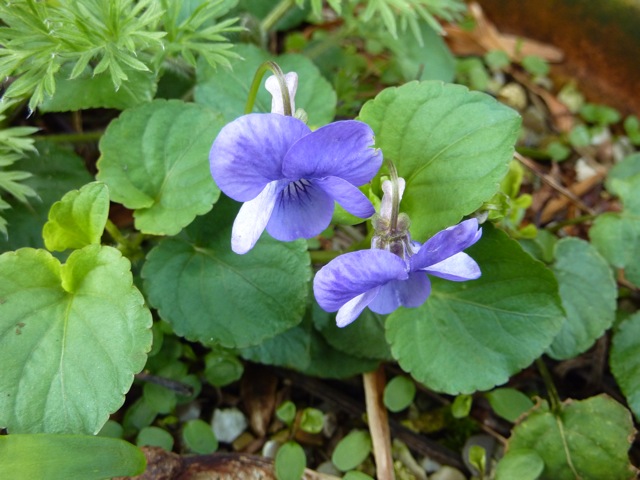
4th May 2011 • Read More »Wild violets are such good value – they self seed around and at this time of year pop up in cont...
24th April 2011 • Read More »Erythronium ‘Pagoda’ is aptly named with its delicate recurved petals. Just wish the floweri...
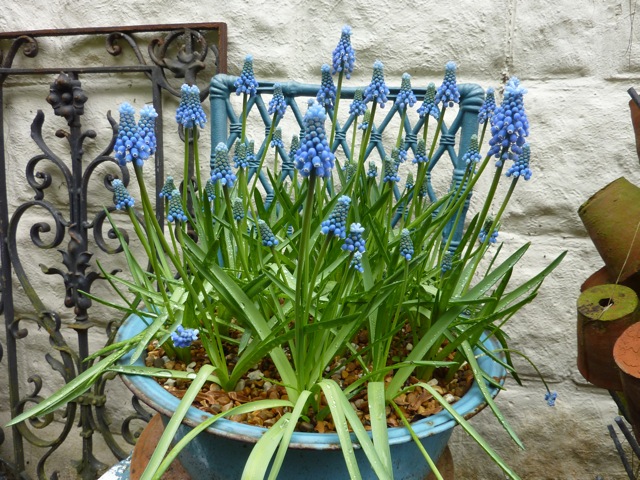
22nd April 2011 • Read More »Each year I love the spring display of grape hyacinths in my old blue enamel bowl. This year I p...
18th April 2011 • Read More »The ledge next to the front door is looking a picture with the little prunus Kojo no Mai, the purp...
17th April 2011 • Read More »...
20th March 2011 • Read More »...
6th March 2011 • Read More »I could stand it no longer! Everything in the garden looked SUCH A MESS that I decided I had to ...
17th February 2011 • Read More »Checking back to the same time last year it is interesting to see what was out this week last ye...
15th February 2011 • Read More »Things are definitely on the move. Walking round the garden it is great to see the first proper si...
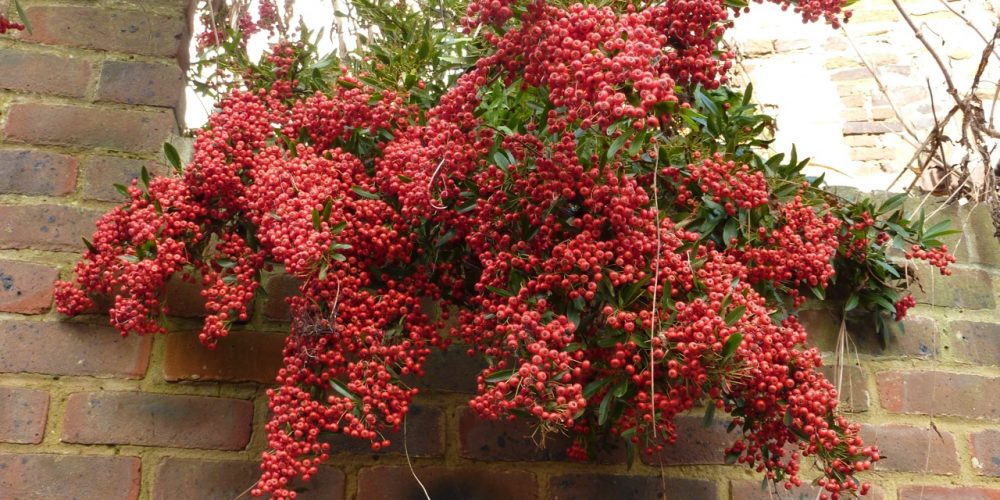
29th January 2011 • Read More »The pyracantha‘s name is of Greek origins: pyr means fire and acanthus means thorn, so this spec...
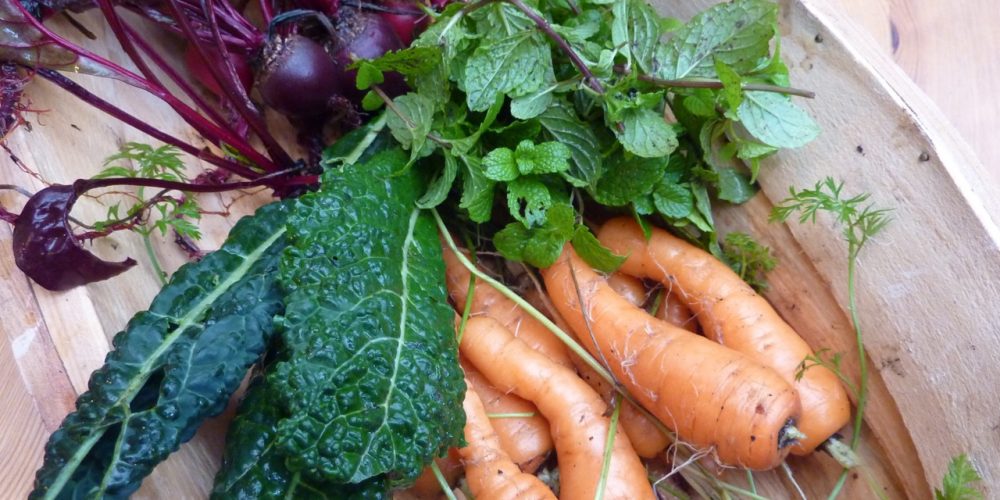
20th January 2011 • Read More »The major excitement of New Year’s Day was picking beetroot, cavolo nero, mint and carrots fro...
9th January 2011 • Read More »No sooner had the snow departed than the rain arrived. There was a brief respite on New Year’s D...
7th January 2011 • Read More »I managed to get the garlic and shallots planted before the weather changed and now its turned cold ...
5th January 2011 • Read More »Highland cows are well known for being perfectly happy outdoors, no matter what the weather does a...
3rd January 2011 • Read More »I decided to take a gamble this year and leave outside some of the larger half-hardy plants that h...
28th December 2010 • Read More »...
27th December 2010 • Read More »I’ve been wandering round what was, until fairly recently, a winter garden full of attractive ...
26th December 2010 • Read More »This is a bit of a challenge this week – I’m tempted to just post several pictures of our new Be...
15th December 2010 • Read More »...
28th November 2010 • Read More »Rose Graham Stuart Thomas always seems to send up a few perfect blooms in October and November ...
11th November 2010 • Read More »The hardy annuals I sowed a few weeks back were getting a bit leggy in their seedtrays so I’ve n...
8th November 2010 • Read More »I’m not always the world’s most efficient or organised gardener, but there are certain things ...
7th November 2010 • Read More »...
27th October 2010 • Read More »After an early slug attack, the boxes of winter salads sown last month were moved to an outdoor be...
12th October 2010 • Read More »But perhaps the big star attraction is the new Dahlia Bangkok. ...
10th October 2010 • Read More »Gardens grow - which is all well and good - in fact really rather nice, but before you know it eve...
9th October 2010 • Read More »Whoops – done it again – gone and ordered far more bulbs than reason dictates. So that’s...
7th October 2010 • Read More »It's early September and the UK has been experiencing howling winds. Despite this a number of plants...
24th September 2010 • Read More »It may not win any prizes for style, but my new method for stopping the birds pecking away at the fi...
22nd September 2010 • Read More »It's late August and it already feels like Autumn. Despite the turn in the weather there's still som...
9th September 2010 • Read More »Decided to dig the Fir Apple potatoes up from next to the greenhouse to avoid any chance of blight...
7th September 2010 • Read More »I bought some new varieties of Dahlia this year and can highly recommend three in particular. Da...
5th September 2010 • Read More »...
29th August 2010 • Read More »...
8th August 2010 • Read More »The badgers have been visiting again and in desperation I have invested in some extremely robust h...
6th August 2010 • Read More »Earlier this week I spent a happy couple of hours summer pruning the quince tree. First I used a ...
1st August 2010 • Read More »...
22nd June 2010 • Read More »This is the point when I ask myself why I’m going away. By the time I get back, despite enlistin...
20th June 2010 • Read More »Tulip Barcelona The front border has grown rapidly in the past 2 weeks Lunaria, Erysimum Bo...
15th May 2010 • Read More »...
27th April 2010 • Read More »From the top : 1) The iris have a fresh mulch of gravel. 2) The peas are growing well in the pot...
21st April 2010 • Read More »Salad seedlings have been pricked out into boxes in the greenhouse The cutting tulips look full o...
1st April 2010 • Read More »Last Saturday I collected a carload of hazel prunings from a local cobnut orchard. I’ve used so...
31st March 2010 • Read More »A pure white camellia (name long forgotten) has a gently weeping habit which adds to its charms C...
19th March 2010 • Read More »Tomato seedlings, sown in coir pellets in the heated propagator on Sunday were germinating by Friday...
7th March 2010 • Read More »Peas, soaked overnight and sown in a length of gutter Two brackets attached to the greenhouse she...
19th February 2010 • Read More »There was frost on the inside of the greenhouse windows this morning but everything seems to have su...
15th January 2010 • Read More »Buds are fattening up nicely on the camellias Beautifully patterned cyclamen leaves emerge from the...
18th December 2009 • Read More »Containers of miniature bulbs have been planted ready for spring Freshly potted up, these auriculas...
17th December 2009 • Read More »Late-November This is the time of year when evergreen topiary gives provides essential structure as ...
30th November 2009 • Read More »The greenhouse benches are filling up with autumn sown seedlings. These hippeastrum bulbs (also kno...
15th November 2009 • Read More »My experiment with starting carrots in Rootrainers sort of worked in that I did harvest a few bunche...
30th October 2009 • Read More »The Strawberry grapes are now close to harvest – these 3 images show their progress this summer. ...
10th October 2009 • Read More »Hydrangea Madame Moulliere has gone from purest white to green flushed with pink. Although I’m no...
9th October 2009 • Read More »The zinnias have outgrown the slugs and are providing brilliant posies for the table The chillis ...
24th September 2009 • Read More »Magnolia Grandiflora ‘Exmouth’ can take up to 30 years to flower after planting, so I’m VERY E...
17th August 2009 • Read More »The best lilies are wondrous flowers - voluptuous in appearance and fragrance – my favourite is �...
15th August 2009 • Read More »The Matucana sweet peas are at their peak. One of the oldest surviving varieties, its fragrance is u...
1st August 2009 • Read More »After years of harvesting small, decidedly sour grapes, it looks as if this year is going to be diff...
29th July 2009 • Read More »I picked this posy of roses, sweet peas, dianthus and alchemilla for my friend Jilly’s birthday. ...
9th July 2009 • Read More »When I walked into the Courtyard this morning the air was filled with the scent of lemon blossom flo...
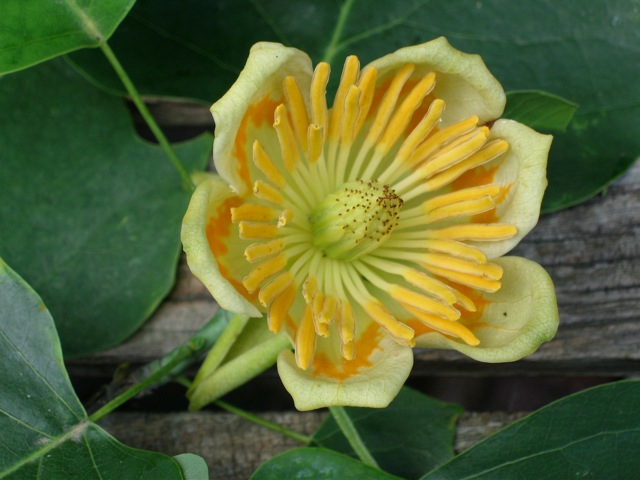
4th July 2009 • Read More »The tulip tree is covered in thousands of flowers right now. To appreciate their full beauty it is b...
19th June 2009 • Read More »It does seem to be a spectacular year for roses and - from the rampant to the refined - they have ne...
17th June 2009 • Read More »