Recipes

Scotch Eggs Recipe

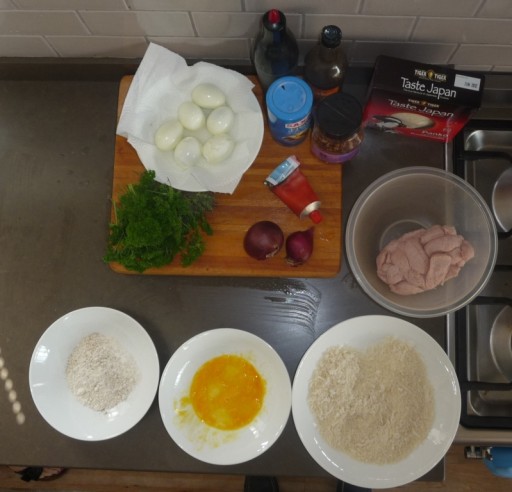
Aghhh…one of the heartiest,yummiest, and most satisfying things in life is home made scotch eggs. The eggs, laid by our very own chickens, are in abundance in the summer where long days of sunlight encourage laying. This can only mean one thing, it’s time to crank up the Scotch Egg Machine. It’ll take about one hour out of your day to follow this recipe but I guarantee it’s MORE

It’s Tomato Time

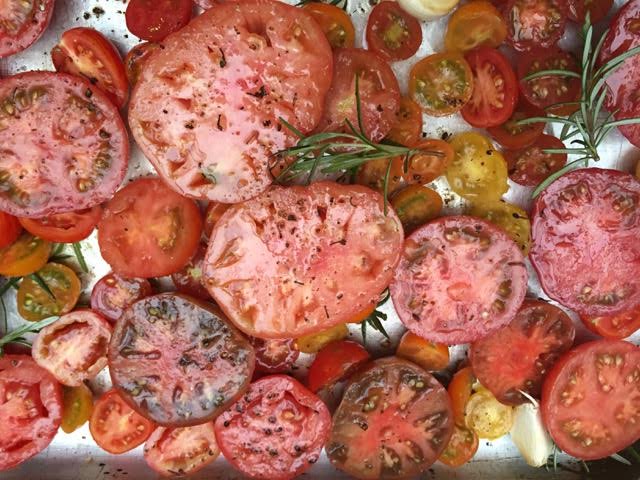
Brandywine & Sungold

The tomatoes in the greenhouse are providing us with pickings every other day.  Just about enough to keep pace with my current lunchtime obsession – walnut sourdough bread rubbed with garlic and piled high with sliced Brandywine tomatoes, pepper and salt and basil and a drizzle of olive oil. I’ve eaten the same lunch for 10 days now and it tastes as good as on the first day!

Check out this Chard

A new and more refined Ruby Chard

Colin Randall, T&Ms veg expert is no fan of Swiss Chard considering it a very inferior vegetable, but even he likes ‘Fantasy’, which has been bred for a softer leaf and a sweeter flavour.  I think the secret to enjoying chard is to take a bit of trouble when you cook it.  I separate leaves and stalks, soften shallots and garlic in olive oil and butter and then add the chopped stalks and  cook them gently for 20 minutes or so.  Then shred the leaves and cook for a further 5 minutes.

Rhubarb Cordial

the rhubarb heap is full

A bumper crop

© Daniel Carruthers

This year has been a good year for rhubarb insofar as there’s a glut of it in the garden. We always stew a few batches to enjoy for breakfast with a little natural yoghurt. There’s usually more than enough to make a hearty rhubarb crumble but this years there’s a bumper crop so there’s opportunity to experiment a little. I think Bunny Guinness was recently marvelling about the delights of rhubarb cordial on gardeners question time. So here’s a recipe that you might enjoy too. Remove the rhubarb leaves and throw them on the compost heap (you’d be surprised at how much household and garden waste can go on the compost heap).

ingredients required for cordial

Ingredients for rhubarb cordial

I’m not exacting when it comes to recipes, preferring to go with quantities that I feel are right rather than getting the scales out. I appreciate however that some idea of quantities will help so here goes :

For every kilo of skinned and chopped rhubarb use :

250g of sugar (ideally Castor)

1 litre of water

2 cloves (optional)

Zest and juice of half a lemon (home grown is best and most satisfying – here’s my lemon tree)

The process is simple. Skin and chop the rhubarb and put in heavy bottomed pan. Add sugar then pour the water over the sugar. Bring to boil and let simmer until the rhubarb goes soft (30 minutes). Should you have the other ingredients above you can add these with the sugar. You may choose to leave simmering for longer depending on how sweet you like your cordial. I left mine for 90 minutes. The longer it simmers the more concentrated the flavour. Once you are happy with the flavour strain the cordial, ideally through a muslin, but a sieve will do. Leave to cool. Once cool it can be enjoyed neat, with ice or used to mix with other drinks, perhaps Champagne. Yummy. If you like this recipe then why not check out some of our other recipes from the garden.

the finished rhubarb cordial

Great with champagne !

How to cook asparagus

© Daniel Carruthers

I’m not entirely sure at what point a set of directions can be called a recipe so let’s stick with ‘how to cook asparagus’. If you are lucky enough to grow your own asparagus then you are at an immediate advantage. I usually leave the pan to heat up for a minute or two and use this time to go and pick some asparagus spears. Be warned not to try this if you are easily distracted. Pans can get very hot whilst you pull out weeds and water those dry looking plants.

So here’s how I like to cook asparagus.

Ingredients:

Asparagus (the fresher the better)
Olive oil
Half a Lemon
Sea Salt & freshly ground pepper

Place a heavy bottomed pan (preferably a griddle) on a high heat. You can choose whether to brush the asparagus spears in olive oil or add it to the pan. I generally brush them as it uses less oil. When I am cooking with olive oil I never use extra virgin as the heat alters the properties and taste of the oil. Extra virgin olive oil is reserved for salads, dressings or bread. The pan should be hot enough so the asparagus sizzles when added. Cook for approximately 5 minutes occasionally tossing the asparagus. It should be allowed to to brown slightly along an edge or two in order that it remain tender but the edges will be lightly caramelised. After 5 minutes and with the pan still hot squeeze half a fresh lemon over the top of the asparagus. Add a generous pinch of coarse sea salt (Maldon is the best) and some freshly ground pepper. Toss the asparagus in the pan so that the seasoning and lemon juice infuse with the asparagus and serve.

Lightly caramelised and home grown asparagus with sea-salt and freshly squeezed lemon, done !

The asparagus can be enjoyed on it’s own or as an accompaniment. You can also cook asparagus on the BBQ in the same way.

caramelised asparagus smoking on the bbq