Shiny, lustrous, rusty or painted, metals can be used both structurally and decoratively in your garden. Here are some ideas on how to use and care fo...
28th June 2015 • General • Read More »
There’s still time to get plant supports in place, before everything gets too large, develops a mi...
9th May 2017 • Read More »
Shiny, lustrous, rusty or painted, metals can be used both structurally and decoratively in your gar...
28th June 2015 • Read More »https://www.youtube.com/watch?v=IV-x7_D3p68 So you've finally got some outdoor space and you want...
7th September 2019 • Read More »I can’t claim to have any climatic foresight, but last autumn I decided to take cuttings from the ...
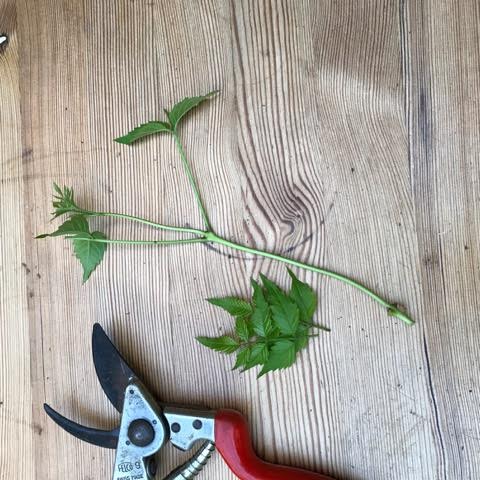
13th April 2018 • Read More »A friend asked me to send her some instructions on taking softwood cuttings and I thought that it ma...
22nd August 2017 • Read More »There’s still time to get plant supports in place, before everything gets too large, develops a mi...
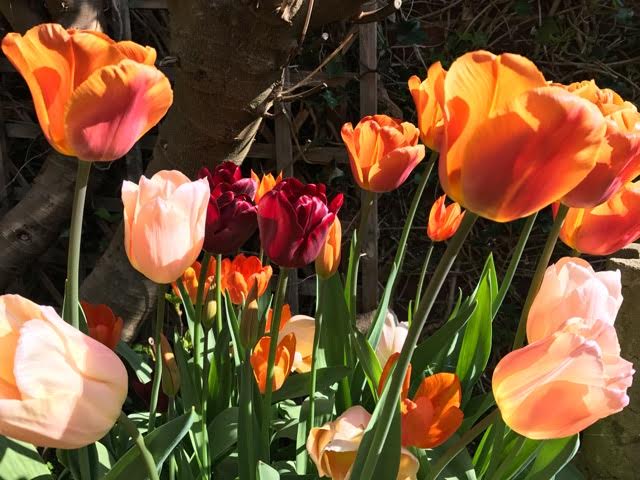
9th May 2017 • Read More »Pause to Admire the Tulips It’s a really good year for tulips – the cool nights mean that the...
2nd May 2017 • Read More »I feel as it I have spent most of the past month getting bulbs into the ground and into pots, and no...
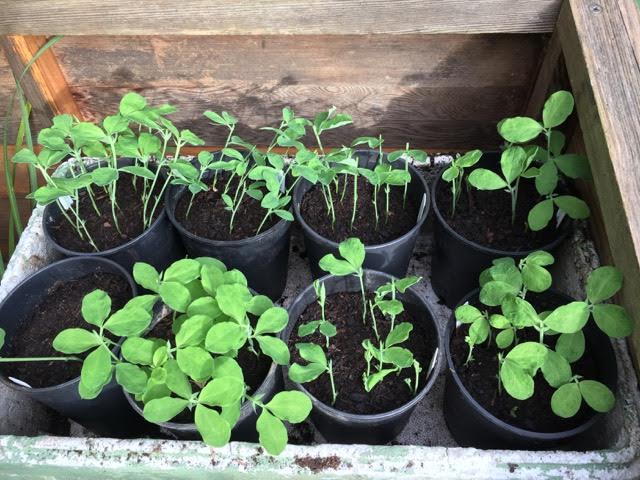
19th November 2016 • Read More »I do like to sow my sweet peas in late autumn so that I can start picking them in June - and if I ha...
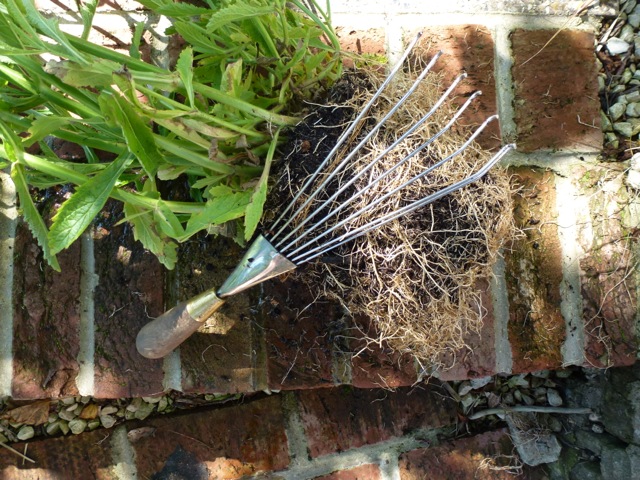
16th November 2016 • Read More »Sometimes a piece of equipment proves so useful that I want to share its virtues. Much as I would lo...
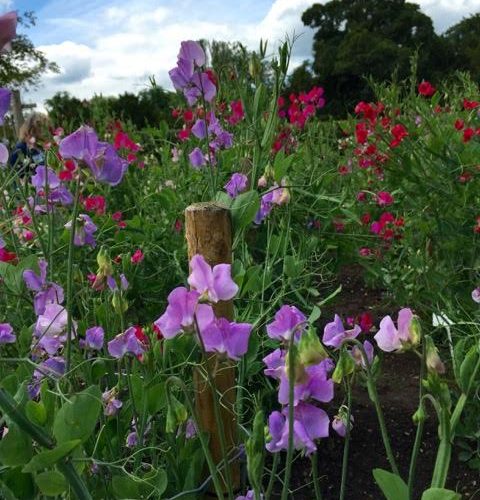
1st September 2016 • Read More »Ursula’s recommends growing sweetpeas up a circle of pig netting rather than a wigwam which narr...
30th June 2016 • Read More »The corner underneath the mimosa tree has been looking rather sad and neglected. It’s a difficul...
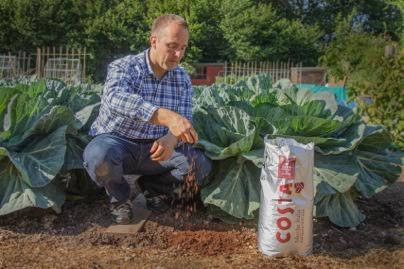
1st March 2016 • Read More »If you call into Costa Coffee and pick up a free recycled coffee bean bag of used coffee grounds to...
16th July 2015 • Read More »As I went around the garden moving pots of young plants to spots that will survive my absence throu...
6th July 2015 • Read More »Shiny, lustrous, rusty or painted, metals can be used both structurally and decoratively in your gar...
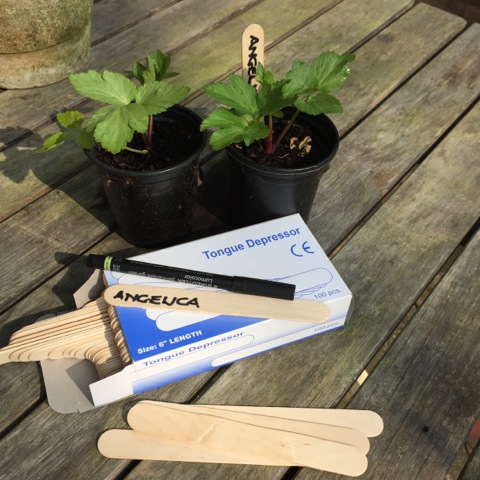
28th June 2015 • Read More »I hate plastic labels, but I haven’t been able to find an affordable wooden alternative - until ...
11th April 2015 • Read More »It’s the time of year when it’s tempting to introduce some colour into the borders while waiting...
19th July 2014 • Read More »by Daniel Carruthers Where to start ? A search on google for the term 'lawnmowers' brings up 6,550,...
23rd October 2013 • Read More »by Daniel Carruthers When it comes to kitting out your greenhouse you can end up spending a small fo...
21st June 2013 • Read More »If your pinks (dianthus) are looking a bit leggy you can get them looking good again by digging them...
1st May 2013 • Read More »The bags of freshly chipped bark that are waiting to be spread on the paths in the garden have provi...
10th March 2013 • Read More »With the annual ‘National Nest Box Week’ running from 14-21 February this is the perfect time ...
11th February 2013 • Read More »I’m not a huge fan of summer displays in hanging baskets, except for growing salad, strawberries a...
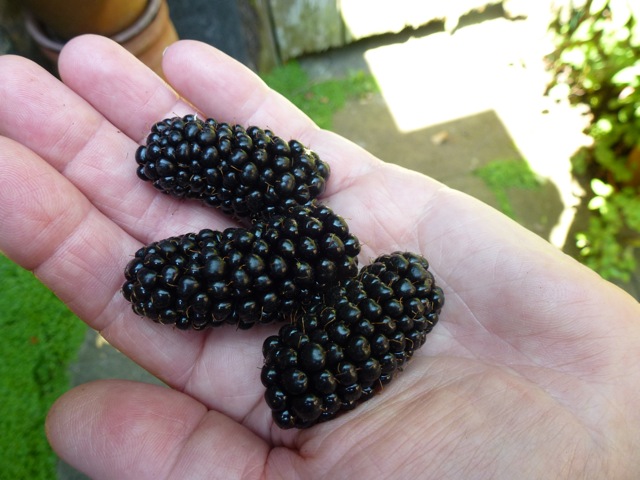
14th January 2013 • Read More »The cultivated blackberries never have quite the intensity of flavour of the wild ones, but they ar...
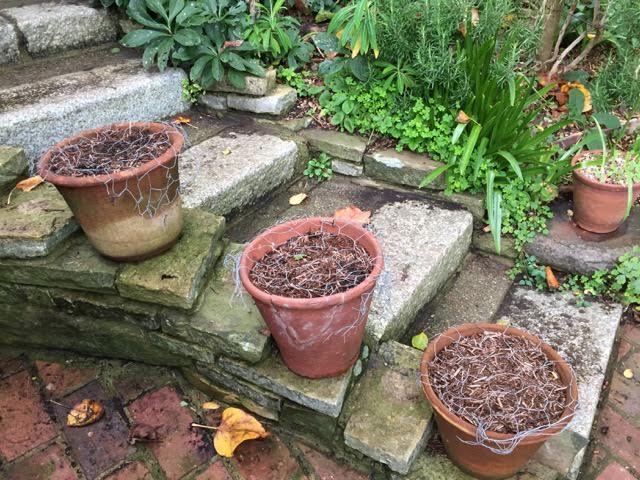
14th August 2012 • Read More »I have to admit I have a serious (terracotta) pot habit. I keep trying to reduce the number I have...
16th July 2012 • Read More »With torrential rain and gales every other day (or more) it is quite hard to believe in drought rig...
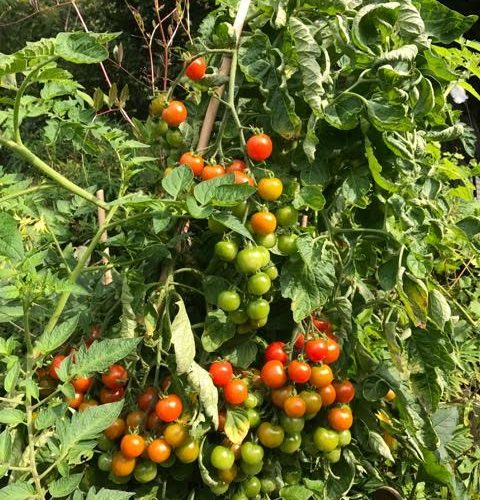
28th April 2012 • Read More »I’ve been using Growpots to grow tomatoes for several years now and am convinced that ...
22nd April 2012 • Read More »Now I know that it's only the south and the east of the country that is short of water, but mulc...
25th March 2012 • Read More »In general I’m more of a browser than a buyer these days, but while wandering round the local ju...
10th March 2012 • Read More »The autumn sown sweet pea plants are looking very good in the coldframe and they seem perfectly con...
21st February 2012 • Read More »Ever since Germaine Greer said that hanging baskets reminded her of heads lining the road to the Fo...
16th February 2012 • Read More »The first hellebores are in bloom and are particularly welcome as I had to dig them all up in the ...
14th January 2012 • Read More »There’s always a time around Christmas when I wonder what possessed me to buy so many bulbs - an...
11th January 2012 • Read More »When we had the new roof put on the house I asked the builder to leave me any slate offcuts. I now...
9th January 2012 • Read More »The early October sowing of sweet peas is coming along nicely. I’ve followed Sarah Ravens advi...
27th November 2011 • Read More »Among the many plants benefiting from this extended autumn is the lemon verbena bush. I’ve bee...
23rd November 2011 • Read More »Rather than leave a clump of cyclamen seedlings at the mercy of the builders boots, I transplanted t...
21st November 2011 • Read More »My lemon tree has moved inside for the winter and I was amazed to count seventeen lemons on it (fift...
13th November 2011 • Read More »Each August I sit down with my friend Jo and we indulge in an orgy of tulip ordering. I was part...
24th September 2011 • Read More »More words of wisdom from Sarah Raven. She has found that the most durable way of labelling plants...
23rd September 2011 • Read More »Traditionally a dianthus (or pink) cutting is called a slip – possibly because they are pulled f...
17th August 2011 • Read More »We spent a day at Wisley last week and in the model vegetable garden I noticed that they were plan...
4th July 2011 • Read More »I’ve done three small successional sowings of peas this year and they really are doing excepti...
30th June 2011 • Read More »The tomatoes have all set four trusses and I have pinched out the growing tips as they are bumping ...
24th June 2011 • Read More »I’m very excited because we have finally got around to fitting rainwater diverters to all our down...
15th February 2010 • Read More »