-
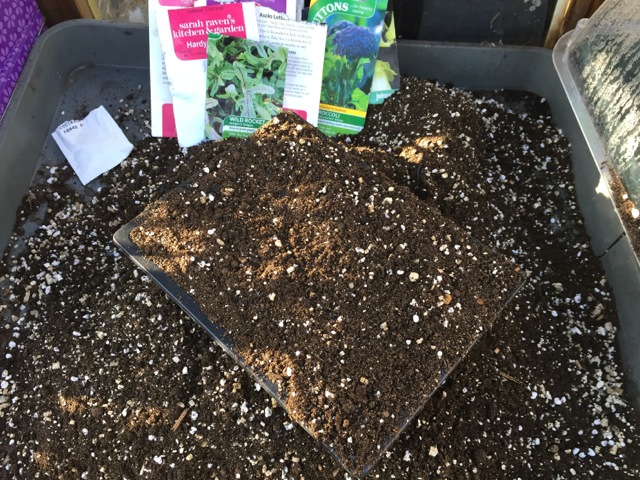
5 Reasons Why Gardeners Must Go Peat-Free
Peat bogs cover just 3% of the earth’s surface but store 30% of the world’s carbon. They are the world’s largest carbon sink, storing more than all other types of vegetation combined The peat forming process...
21st February 2020 • General • Read More » -
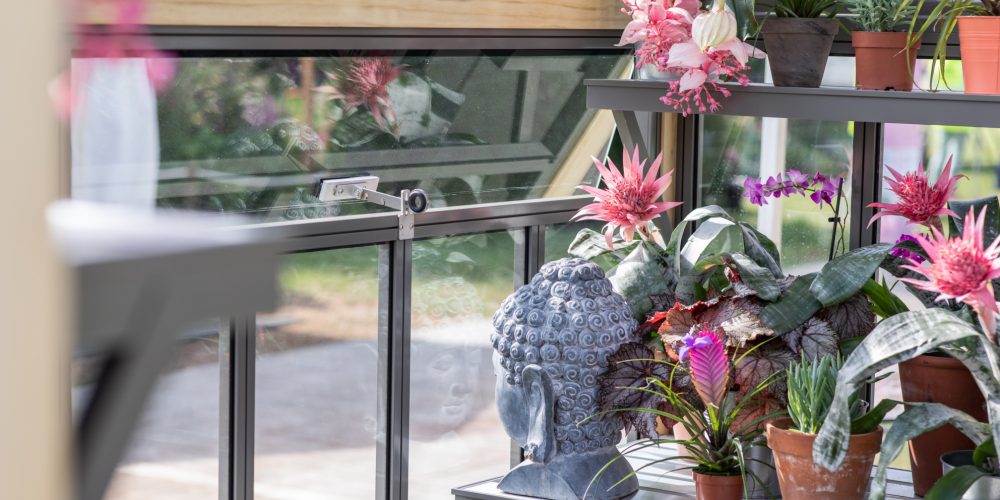
Greenhouse with Porch – where to buy.
It’s true to say that most gardens in the UK are long and thin. These lend themselves well to traditional greenhouses that have a door in the gable. Longer gardens can accommodate longer greenhouses. But if you are lucky en...
15th January 2020 • General • Read More » -
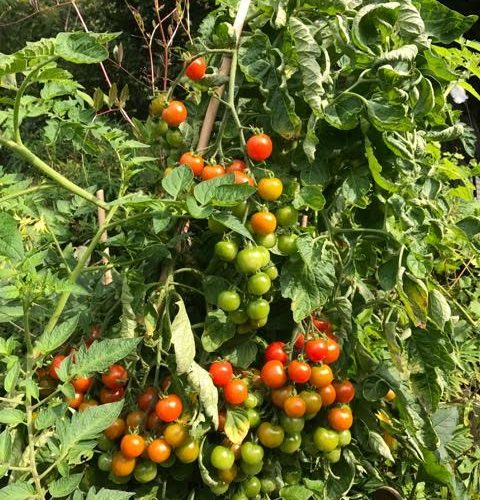
10 basic gardening tips for beginners
https://www.youtube.com/watch?v=IV-x7_D3p68 So you've finally got some outdoor space and you want to start a garden Here's 10 tips to help get you off to the right start. Buy yourself a spade. You don't need to spend ...
7th September 2019 • Garden Tips • Read More » -
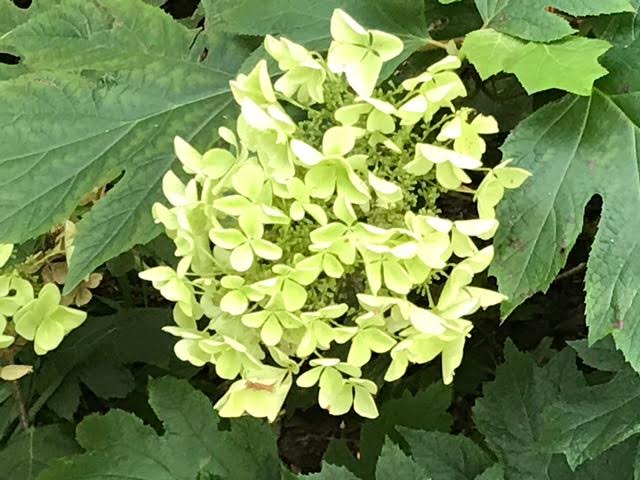
5 Low Maintenance Garden Plants
https://www.youtube.com/watch?v=LkhQytcoas4 It's no secret that gardening requires effort and time but if you have have a busy schedule or a propensity perhaps to sit and relax then here's five low maintenance garden plant...
31st August 2019 • 5 Plants for • Read More »
Recent Articles
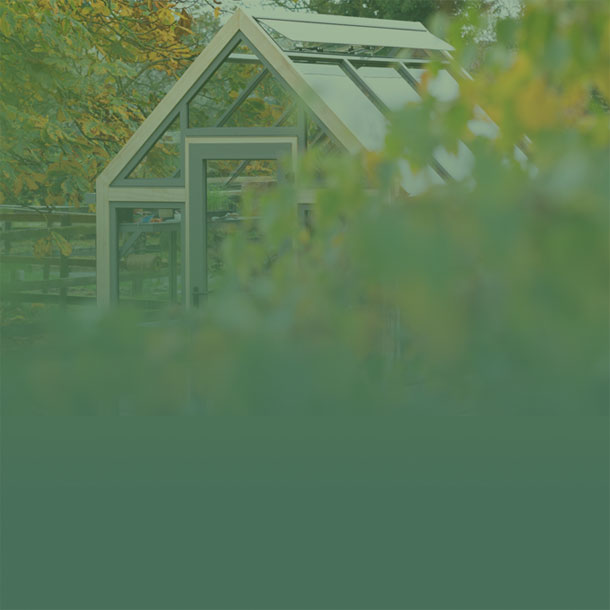
If you're looking for a new glasshouse for your garden then you might be interested in the new greenhouse range from Cultivar. Innovatory and stylish, get a quote online today by visiting cultivargreenhouses.co.uk

Popular Articles